
Smartphones have become an essential part of everyday life. We use them to communicate with family, take pictures, watch videos, play games, study, and manage our daily activities. However, many people use smartphones without fully understanding how these devices work. This is where books about smartphones can make a difference.
Whether you are a beginner, a technology enthusiast, a student, or someone who wants to understand mobile devices better, the right book can help you explore smartphone technology in a simple and practical way. Some books focus on smartphone photography, while others explain hardware, operating systems, mobile applications, and gaming performance.
In this guide, we will explore nine useful types of smartphone books, explain what you can learn from them, and share practical tips for choosing the right reading material. You will also discover why smartphone books can remain valuable in 2026, even as mobile technology continues to evolve.
Table of Contents
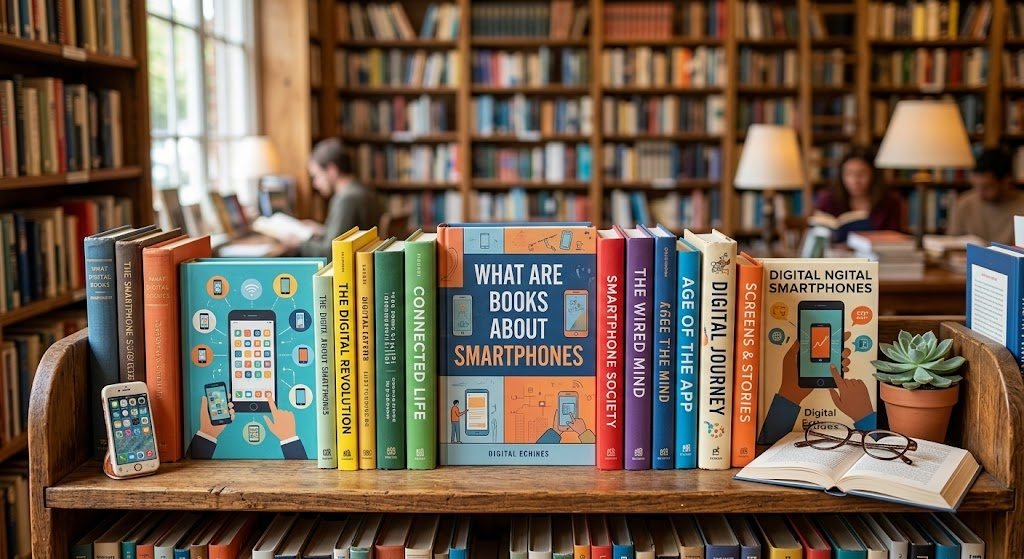
What Are Books About Smartphones?
Books about smartphones are educational resources that explain different aspects of mobile devices. They may cover smartphone history, hardware components, operating systems, photography, security, applications, and troubleshooting.
Some books are written for beginners who want to understand basic phone features. Others are designed for readers interested in technical subjects, such as mobile app development, touchscreen technology, or Android programming.
For example, a beginner’s guide might explain how to manage phone settings, organize applications, and protect personal information. A technical book might explore processors, memory, operating systems, and wireless communication.
These books are available in printed and digital formats. Readers can choose a format according to their preferences, budget, and learning needs.
The best choice depends on what you want to accomplish. If your goal is to take better pictures, photography books may be useful. If you want to understand how smartphones operate, a technology-focused guide may be a better option.
9 Best Types of Books About Smartphones
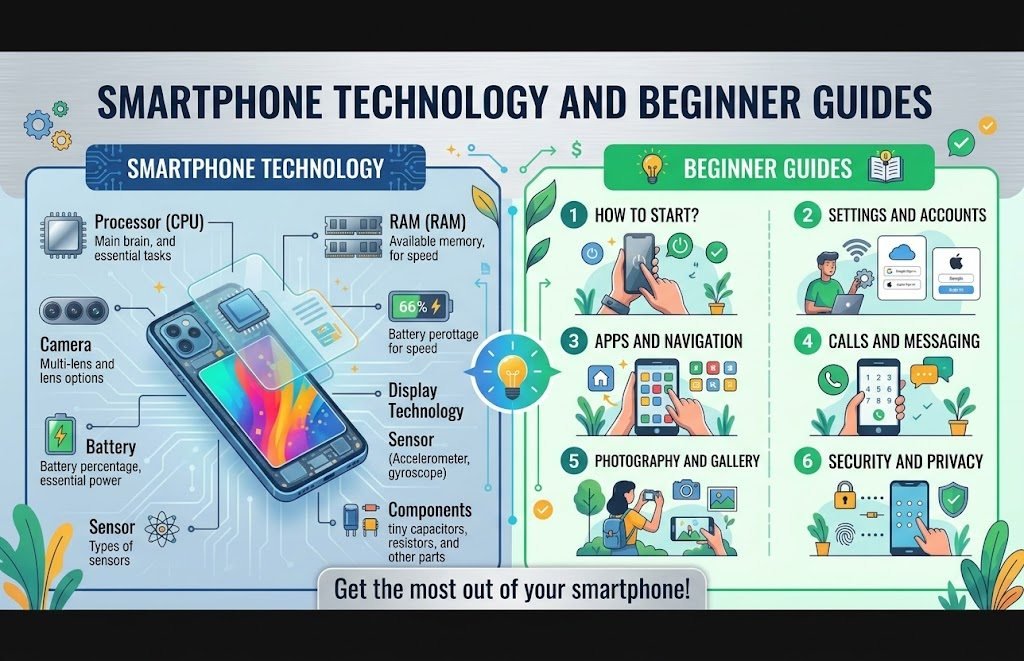
1. Smartphone Technology and Beginner Guides
Beginner-friendly smartphone books provide a foundation for understanding modern mobile devices. They explain common features, basic settings, applications, connectivity, and operating systems without requiring advanced technical knowledge.
These guides can be especially helpful for people who have recently purchased their first smartphone or want to become more comfortable using their existing device.
A useful beginner’s book should explain practical tasks such as connecting to Wi-Fi, managing notifications, updating applications, organizing files, and adjusting privacy settings. Clear instructions and screenshots can make complicated processes easier to understand.
When choosing a guide, check whether its instructions match your phone’s operating system. Android and iOS have different interfaces, and menu options can change between software versions.
A good introductory book should build confidence rather than overwhelm readers with technical terminology.
2. Books About Smartphone Photography
Smartphone photography has become popular because modern phones can capture impressive images without requiring expensive camera equipment.
Photography books explain how to improve pictures through composition, lighting, focus, exposure, and editing. These skills can help beginners produce more attractive photographs for personal collections, websites, and social media.
Look for books that include practical exercises. For example, you might learn to photograph a subject near a window, experiment with different angles, or use natural light to improve an image.
Pictures of phones can also be useful in educational material when they demonstrate camera placement, device design, or photography techniques. However, examples should support the lesson rather than simply decorate the page.
Some photography guides cover editing applications and image organization as well. These subjects can help readers create consistent results and manage their photographs more effectively.
Remember that good photography depends on technique as much as equipment. Learning to recognize light, frame a subject, and control distractions can improve your pictures even if you use an older smartphone.

3. Books About Flip Phones and Future Mobile Trends
Flip phones have an interesting place in mobile technology. Traditional flip phones usually feature a hinged design, while modern foldable smartphones can include flexible displays that unfold into larger screens.
Books about mobile technology can help readers understand how these designs developed and why manufacturers continue to experiment with different form factors.
The topic of flip phone 2026 may interest readers who want to explore current phone designs, foldable technology, and changing consumer preferences. When researching this subject, distinguish between traditional keypad phones and modern foldable smartphones because their features and intended uses can differ considerably.
Useful books explain the advantages and disadvantages of different designs. For example, compact phones may be easier to carry, while foldable devices can provide more screen space for reading, multitasking, and entertainment.
Readers should also consider durability, repair costs, battery life, and software support when evaluating foldable devices.
Because smartphone technology changes quickly, recent publications and updated technical resources are especially valuable for this topic.
4. Books About Samsung Smartphones
Samsung produces a wide range of mobile devices, from budget-friendly models to premium smartphones. Books and user guides about Samsung devices can help readers understand Android features, camera settings, security options, and device maintenance.
Some resources focus on general Android functionality, while others provide instructions for particular Samsung models.
For example, the Samsung Galaxy J3 is an older smartphone model that may appear in books about Android devices or the history of budget smartphones. Information about older devices can help readers understand how smartphone features have changed over time.
However, readers should not assume that every modern Android feature is available on an older phone. Hardware capabilities, operating system versions, and manufacturer support vary between models.
Before following a technical guide, confirm that it applies to your specific device. This is particularly important when changing security settings, installing applications, or troubleshooting software problems.
A reliable guide should explain its instructions clearly and distinguish between features available on different models.

5. Books About Budget and Prepaid Smartphones
Not everyone needs an expensive smartphone. Budget devices can provide essential functions for communication, browsing, photography, navigation, and entertainment.
Books about affordable mobile technology can help readers understand specifications and decide which features matter most.
A Samsung prepaid smartphone, for example, may appeal to someone looking for a device connected to a prepaid mobile plan. Prepaid service generally allows users to pay for service in advance, although available plans, device compatibility, and network restrictions depend on the provider.
When comparing affordable smartphones, examine the processor, available storage, battery capacity, camera quality, software support, and network compatibility.
It is also important to distinguish between the cost of a phone and the cost of maintaining service. A device with a low purchase price may not be the most economical choice if it has limited storage or receives no security updates.
A useful smartphone book should teach readers how to evaluate specifications rather than encourage them to buy a particular brand without considering their needs.

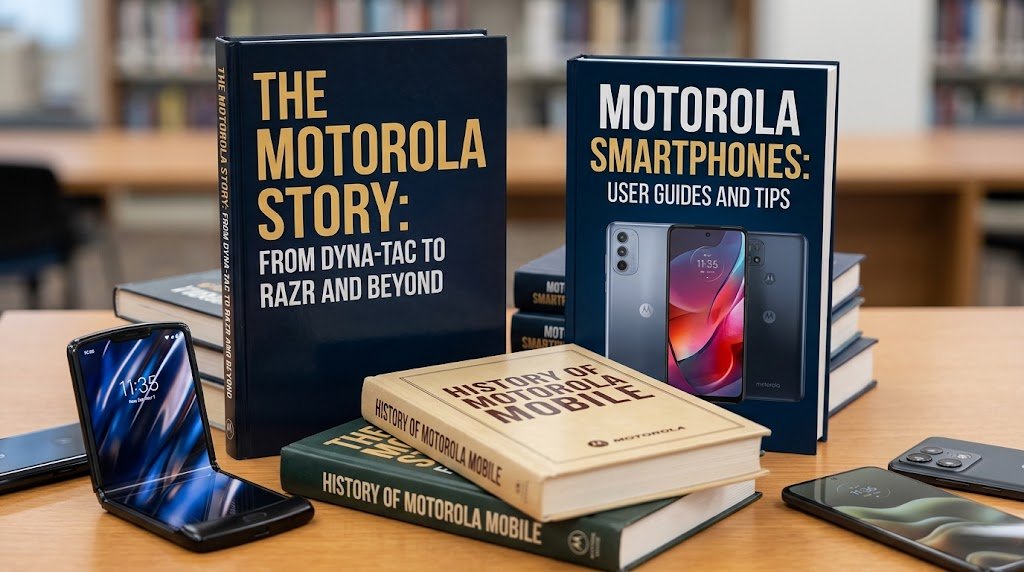
6. Books About Motorola Smartphones
Motorola has produced mobile phones across several generations of wireless technology. Books about Motorola devices can help readers explore the company’s smartphone designs, Android software, and approach to practical mobile features.
One example is the Motorola One 5G Ace, a device associated with 5G connectivity. It can serve as a case study when discussing how smartphone specifications relate to everyday performance.
Readers interested in this model should research its supported network bands, software version, battery condition, and carrier compatibility before purchasing a used device.
Smartphone books may explain specifications such as RAM, internal storage, display resolution, processor performance, and battery capacity. Understanding these terms makes it easier to compare devices from different manufacturers.
However, a book is not always the best source for current prices, software updates, or network availability. Those details should be checked using recent information from manufacturers and mobile carriers.
Combining foundational reading with up-to-date product research helps readers make better technology decisions.
7. Books About Foldable and Folder Phones
The phrase folder phone can refer to a folding or hinged phone design, although terminology varies between manufacturers and sellers. In general, it is useful to distinguish traditional flip phones from modern foldable smartphones.
Traditional flip phones often prioritize compactness and straightforward communication. Modern foldable smartphones may offer large internal displays, multitasking features, and more flexible ways to use applications.
Books about mobile hardware can explain the engineering challenges behind these designs, including hinges, flexible display materials, screen protection, and mechanical durability.
These topics are useful for readers who want to understand why foldable devices can differ from conventional smartphones in price and construction.
When evaluating a foldable phone, consider how frequently it will be opened and closed, whether replacement parts are available, and what warranty coverage is offered.
A well-researched book can introduce these concepts, but current manufacturer documentation is preferable for model-specific maintenance and repair instructions.

8. Books About Smartphone Displays and Hardware
A smartphone’s display is one of its most important components because users interact with it throughout the day. Books about mobile hardware explain display technologies, screen resolution, brightness, refresh rates, touch sensitivity, and screen protection.
A phone with screen technology designed for clear images and responsive touch can provide a better experience for reading, gaming, watching videos, and browsing the internet. However, display quality also depends on factors such as color accuracy, viewing angles, brightness, and the type of panel used.
Hardware-focused books may also explain processors, memory, storage, batteries, speakers, and charging systems.
Understanding these components helps readers compare smartphones more accurately. For example, additional RAM can improve multitasking in suitable conditions, while sufficient storage makes it easier to keep applications, videos, and photographs on a device.
Readers should also learn basic maintenance practices, such as avoiding excessive heat, using compatible chargers, and keeping software updated.
These lessons remain valuable because hardware knowledge can help users understand performance problems and make informed purchasing decisions.

9. Books About Mobile Games and Smartphone Gaming
Mobile gaming is another important subject covered by smartphone technology books. Modern phones support a wide variety of games, ranging from simple puzzles to graphically demanding multiplayer experiences.
Gaming-focused books may explain mobile game development, graphics processing, touchscreen controls, game design, and performance optimization.
If you enjoy playing games, understanding these subjects can help you recognize why some devices perform better than others. Processor capability, graphics hardware, RAM, display refresh rate, and thermal management can all influence the gaming experience.
Battery consumption is another important consideration. Demanding games can use considerable power, particularly when the display is bright and the processor is working hard.
Some books also introduce programming concepts for readers interested in developing their own mobile games. These resources may cover game engines, interface design, testing, and publishing.
Beginners should choose a book that matches their experience level. A general smartphone guide is suitable for understanding device settings, while a programming textbook is more appropriate for readers who want to build applications or games.

Benefits of Reading Books About Smartphones
Reading about smartphone technology can help users become more confident and informed. Rather than relying entirely on trial and error, readers can learn the principles behind common features and technical specifications.
One important benefit is improved problem-solving. A clear guide may help readers identify storage problems, understand connectivity settings, or recognize when a device requires professional repair.
Photography books can improve image composition and editing skills. Hardware books can explain the differences between processors, displays, batteries, and memory. Security-focused resources can introduce safer browsing habits, application permissions, and account protection.
Books can also help consumers make more informed purchasing decisions. Understanding specifications makes it easier to compare devices based on practical needs instead of advertising claims.
Another advantage is flexibility. Printed books can be read without a screen, while ebooks offer searchable text and convenient access across compatible devices.
The most useful resource is one that answers your questions clearly and encourages practical learning.
How to Choose the Best Smartphone Book
Choosing the right book starts with identifying your goal. Someone who wants to improve photography will need a different resource from a reader interested in programming or smartphone hardware.
Consider your experience level. Beginners should look for simple explanations, illustrations, and step-by-step instructions. Experienced readers may prefer books with technical details and practical projects.
Check the publication date. Smartphone interfaces, security practices, and device capabilities change frequently. Recent editions are generally more useful for current software and features.
Read reviews and sample pages. Look for accurate explanations, clear organization, and examples that match the book’s description.
Choose a suitable format. Printed books may be comfortable for extended reading, while ebooks can be convenient for searching technical terms and carrying several references.
Verify device-specific information. If a book discusses a particular phone model, check whether the instructions apply to your exact device and software version.
Finally, consider your budget and the amount of detail you need. A short introductory guide may be sufficient for basic questions, while a comprehensive technical textbook may be better for serious study.

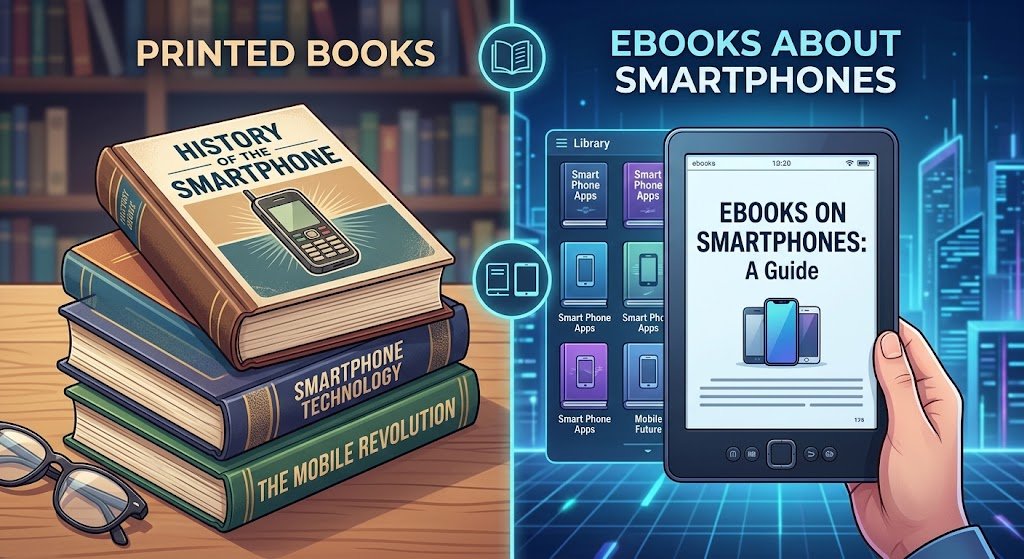
Printed Books vs. Ebooks About Smartphones
Printed books and ebooks each have advantages. Printed editions provide a traditional reading experience and can make diagrams, charts, and illustrations easier to review without switching between applications.
Ebooks, on the other hand, are portable and often include search functions that help readers locate specific terms quickly. Depending on the format, they may also allow readers to highlight passages and add notes.
For smartphone technology, digital editions can be convenient because readers often consult instructions while using another device. However, reading on a small screen for extended periods may not suit everyone.
The best format depends on your habits, budget, and learning preferences. Some readers benefit from using both formats: a printed book for general learning and a digital reference for quick searches.
Regardless of format, prioritize clear writing, reliable information, and material appropriate for your experience level.
Are Books About Smartphones Still Useful in 2026?
Yes, books about smartphones can still be useful in 2026, particularly when they explain fundamental concepts rather than focusing exclusively on short-lived product trends.
Basic knowledge about processors, displays, storage, photography, wireless communication, and cybersecurity remains relevant across many generations of devices.
However, smartphone software and hardware continue to change. A book published several years ago may contain outdated screenshots, unsupported applications, or information about devices that no longer receive security updates.
For current instructions, readers should supplement books with official manufacturer documentation, updated software guides, and reliable technical resources.
Older publications are still valuable for understanding the history of mobile phones and the development of smartphone technology. Newer resources are generally better for current device recommendations and software-specific instructions.
Using both types of resources can provide a balanced understanding of how smartphones developed and how they work today.
Frequently Asked Questions
What are the best books about smartphones?
The best book depends on your interests. Beginners may prefer general smartphone guides, while photography enthusiasts, programmers, and hardware learners may benefit from specialized books.
Can beginners learn smartphone technology from books?
Yes. Beginner-friendly books explain smartphone settings, applications, security, and basic technical terms in an accessible way.
Are smartphone photography books useful?
Yes. They can teach composition, lighting, camera settings, and editing techniques that help readers take better photographs.
Should I read older smartphone books?
Older books can be useful for learning foundational concepts and smartphone history. For current software instructions and device specifications, use updated resources.
Can books help me choose a smartphone?
Yes. They can explain technical specifications and comparison methods. However, check current prices, availability, software support, and network compatibility before purchasing a device.
Conclusion
Books about smartphones provide a practical way to understand mobile technology, improve photography skills, explore hardware, and learn about mobile gaming. The right resource can help beginners build confidence and give experienced readers a deeper understanding of how smartphones work.
Before choosing a book, consider your learning goals, experience level, preferred reading format, and the publication date. Remember that older books can explain fundamental concepts, while current technical documentation is often better for device-specific instructions.
By combining reliable books with updated resources, you can continue learning about smartphone technology and make more informed decisions about the devices you use every day.