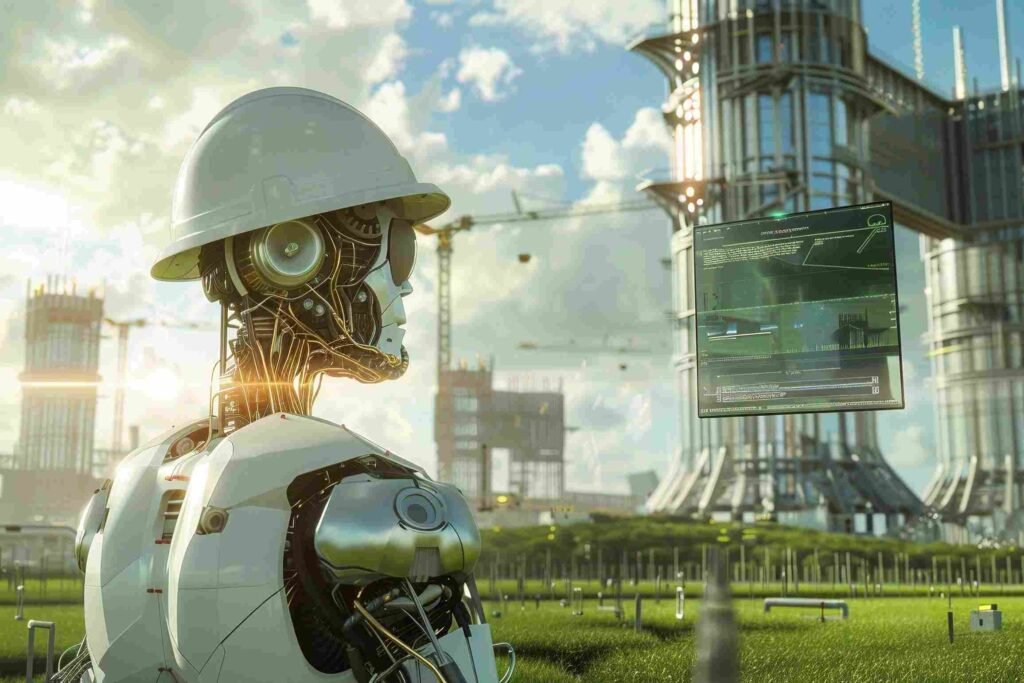
If you’ve been paying attention to how AI is changing industries in 2026, you’ve probably noticed it’s not just a tech buzzword anymore — it’s actually showing up in real, everyday moments. A doctor catching something early because of a smart scan. A student getting instant homework help at midnight. A small business owner replying to customer messages without staying up until 2 AM.
A year ago, I honestly thought most of this “AI transformation” talk was exaggerated marketing. I work in tech, so I see a lot of hype come and go. But after spending months actually watching how different industries adopt these tools — talking to people in healthcare, education, and business — I realized something: this time, the change is real, and it’s happening faster than most people expect.
This guide walks through exactly how AI is changing industries in 2026, one sector at a time, in plain language — no confusing jargon, just what’s actually happening and why it matters to you.
What Does “AI Transformation” Actually Mean?
Before diving into specific industries, let’s clear up what people actually mean when they talk about AI transformation. It’s not about robots taking over everything, despite what movies love to show us.
In reality, AI transformation just means using smart software to handle tasks that used to require a lot of manual human effort — recognizing patterns, analyzing large amounts of information quickly, or handling repetitive work so people can focus on more meaningful parts of their job.
The reason this matters so much right now is speed. Just a few years ago, adopting these tools required serious technical knowledge. Today, many AI tools are simple enough that regular employees — not just engineers — can use them directly in their daily work. That accessibility is exactly why AI is changing industries in 2026 faster than any previous wave of technology.
How AI is Changing Healthcare
Healthcare is one of the clearest examples of how AI is changing industries in 2026, and honestly, one of the most encouraging.
Faster diagnosis and disease detection: AI tools can now scan medical images and flag potential concerns faster than manual review alone, giving doctors an extra layer of support rather than replacing their judgment. This doesn’t replace doctors — it gives them a faster starting point, especially in cases where early detection makes a huge difference.
AI-assisted patient care: Hospitals are using AI-powered systems to track patient recovery patterns, predict potential complications, and even help manage scheduling so patients spend less time waiting and more time actually being treated.
Challenges and limitations: It’s not all smooth sailing though. AI tools in healthcare need to be extremely accurate, and mistakes can have serious consequences. There are also valid concerns about data privacy, since medical information is deeply personal. Most experts agree AI should support doctors, not replace the human judgment that comes with years of medical training.
How AI is Changing Education
Education is another area where the shift has been noticeable, especially for students and teachers juggling packed schedules.
Personalized learning for students: Instead of one-size-fits-all lessons, AI-powered platforms can adjust to how each student learns, offering more practice on topics they struggle with and moving faster through things they already understand.
AI tutors and homework help: Students today can get instant explanations for confusing topics any time of day,it shows how AI is changing industries in 2026 rather than waiting for the next class or tutoring session. This has been especially helpful for students who need extra support but don’t have easy access to private tutoring.
Concerns teachers and parents have: Not everyone is fully comfortable with this shift. Some teachers worry students might rely too heavily on AI instead of developing their own problem-solving skills. It’s a fair concern, and one that schools are still figuring out how to balance properly.
How AI is Changing Business & Marketing
This is probably where most people notice AI’s impact first, since so many businesses — big and small — have adopted these tools quickly.
Automation of repetitive tasks: Things like sorting emails, scheduling meetings, and organizing basic data are increasingly handled by AI, freeing up employees to focus on tasks that actually require human creativity and decision-making.
AI in customer service: Chatbots have gotten noticeably better. They now handle common customer questions instantly, any time of day, while more complex issues still get passed along to real human support staff.
Content creation and marketing campaigns: Businesses are using AI to draft initial versions of blog posts, social media captions, and ad copy — saving significant time, though most companies still have a human review and refine the final output before it goes live.
How AI is Changing Jobs & the Workforce
This is probably the topic people care about most, and for good reason — it directly affects livelihoods.
Jobs being transformed, not just replaced: Most roles aren’t disappearing entirely; they’re changing shape. A customer service representative might now spend more time handling complex issues while AI manages simple, repetitive questions. The nature of the job shifts rather than vanishes completely.
New job roles created by AI: Interestingly, entirely new job categories have appeared — people who specialize in managing AI tools, checking their accuracy, or training AI systems for specific business needs. These roles didn’t exist a few years ago.
Skills people need to stay relevant: The most valuable skill right now isn’t necessarily technical AI expertise — it’s adaptability. Being comfortable learning new tools, understanding how to work alongside AI rather than against it, and focusing on skills AI still can’t replicate well, like genuine human judgment, empathy, and creative problem-solving.
How AI is Changing Everyday Life
Beyond specific industries, AI has quietly become part of daily routines for millions of people.
Smart homes and personal assistants
: Voice assistants, smart thermostats, and automated home devices have become common, handling small daily tasks without much thought from us anymore.
AI in entertainment: The shows, music, and videos recommended to you are shaped by AI analyzing patterns in what you watch and listen to — which is why recommendations often feel surprisingly accurate.
AI in shopping and finance: From personalized shopping suggestions to fraud detection on your bank account, AI works quietly in the background of many services we use without even realizing it’s there.
The Risks and Challenges of AI Growth
It wouldn’t be fair to only talk about the positives. As AI is changing industries in 2026, there are real challenges worth being honest about.
Privacy concerns: As AI tools process more personal data — medical records, financial information, browsing habits — protecting that data properly becomes increasingly important, and not every company handles it responsibly.
Job displacement fears: While many jobs are transforming rather than disappearing, some roles genuinely are at risk, particularly repetitive tasks that don’t require much human judgment. It’s a legitimate concern that deserves honest conversation, not dismissal.
Misinformation risks: AI-generated content, including text and images, can sometimes be used to spread false information convincingly. Learning to critically evaluate sources has become more important than ever.
Being aware of these challenges doesn’t mean rejecting AI — it means using it thoughtfully and staying informed as things continue to evolve.
What to Expect From AI in the Next Few Years
Looking ahead, the trend seems clear: AI will keep getting integrated deeper into daily workflows across every industry, but likely in ways that feel more like small, useful improvements rather than dramatic overnight changes.
Realistically, expect continued improvements in accuracy, more industries adopting these tools carefully rather than rushing in, and growing conversations around responsible use, regulation, and transparency. The industries that benefit most will likely be the ones that use AI to support human work, rather than trying to fully replace it.
Frequently Asked Questions
Is AI actually changing industries in 2026, or is it just hype?
It’s genuinely happening. Healthcare, education, and business have all adopted practical AI tools that are actively used in daily operations, not just experimental projects.
Will AI replace most jobs?
Not entirely. Most jobs are shifting in what they involve rather than disappearing completely, though certain repetitive roles are more affected than others.
Which industry has been most impacted by AI so far?
Business and customer service have seen some of the fastest, most visible changes, largely due to chatbots and automation tools being easy to adopt quickly.
Is it safe to trust AI with sensitive information, like medical or financial data?
It depends entirely on the specific company and their privacy practices. Always check how a service handles your data before sharing anything sensitive.
How can I prepare for AI’s growing role in my industry?
Focus on staying adaptable, learning how relevant AI tools work in your field, and strengthening skills that are harder to automate, like communication, creativity, and critical thinking.
Conclusion
Understanding how AI is changing industries in 2026 isn’t about fearing the future — it’s about staying informed and adapting alongside these changes. Healthcare, education, business, and everyday life are all being reshaped, some in exciting ways, some with real challenges still being worked out.
The people and industries that benefit most won’t be the ones that resist this shift, but the ones that learn to use these tools responsibly, while staying aware of the risks involved.
If you want to explore this topic further, check out our detailed guides on the best AI tools for business automation, how AI is specifically transforming healthcare, and practical ways to future-proof your career against AI-driven changes.