
A clean kitchen makes everyday life easier, but washing dishes by hand after every meal can take a lot of time and effort. This is where a modern dish washer becomes a helpful kitchen appliance. It cleans plates, glasses, cooking pots, and other utensils automatically, allowing families to spend less time on kitchen chores and more time on other activities.
Today, dishwashers are available in different sizes, designs, and price ranges. Some models are designed for large families, while others are suitable for apartments and smaller kitchens. You can also find advanced options with multiple racks, stainless steel interiors, quiet operation, and energy-saving features.
Choosing the right model requires more than comparing prices. You should consider cleaning performance, water consumption, installation requirements, capacity, and long-term maintenance. In this guide, we will explore nine important tips to help you understand dishwasher features and choose a model that fits your kitchen and daily needs.
Table of Contents
What Is a Dish Washer and How Does It Work?
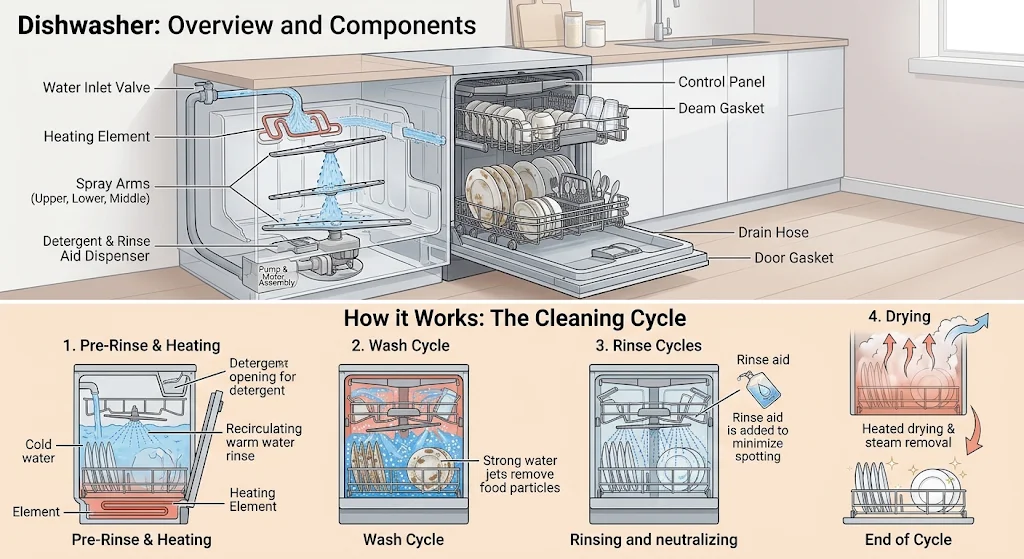
A dish washer is an electrical kitchen appliance designed to clean dishes automatically using hot water, detergent, and powerful spray jets. Instead of washing every plate individually by hand, users place dirty dishes inside the machine, select a cleaning cycle, and allow the appliance to complete the process.
Most modern dishwashers follow a simple cleaning process. First, water enters the machine and is heated to an appropriate temperature. The appliance mixes the water with dishwasher detergent and sprays it through rotating arms. These spray arms distribute water across the dishes to remove grease, food particles, and everyday stains.
After washing, the machine drains the dirty water and performs one or more rinsing stages. Depending on the model, it may also use heated drying or another drying system to reduce moisture.
Modern dishwashers include several useful components, such as filters, spray arms, heating elements, detergent dispensers, and control panels. Together, these parts help deliver consistent cleaning results with less manual effort.
9 Powerful Tips for Choosing the Best Dish Washer
Buying a dishwasher can feel confusing because different models offer different features. Understanding the following factors can help you make a smarter purchasing decision.
1. Choose the Right Dishwasher Size
Size is one of the first things to consider when purchasing a dishwasher. A model that is too small may not provide enough room for your daily dishes, while an oversized appliance can waste valuable kitchen space.
A standard dishwasher is generally around 24 inches wide and is commonly designed for built-in kitchen installations. It usually provides enough capacity for the dishes used by an average household.
However, smaller households may prefer an apartment size dishwasher. These models are designed for compact kitchens where installation space is limited. They can be a practical choice for couples, individuals, and people living in smaller apartments.
Before purchasing, measure the available space carefully. Check the appliance’s width, height, depth, door clearance, and plumbing requirements. Proper measurements help prevent installation problems and ensure that the appliance fits comfortably into your kitchen.

2. Consider a Dishwasher with Three Racks
Storage capacity can make a significant difference in everyday cleaning. A dishwasher with three racks offers an additional loading area compared with many traditional two-rack designs.
The third rack is usually positioned at the top of the appliance. It is commonly used for smaller kitchen items such as cutlery, cooking utensils, measuring spoons, and flat kitchen tools.
One major advantage of dishwasher 3 racks designs is improved organization. Instead of placing every small item in the traditional silverware basket, you can use the additional rack to create more space for plates, bowls, and larger utensils.
Some advanced models also feature adjustable third racks, allowing users to accommodate taller glasses or different types of kitchen accessories.
However, not every three-rack design offers the same amount of usable space. Check the rack’s flexibility, loading capacity, and overall design before making a decision.
3. Understand Built-In Dishwasher Features
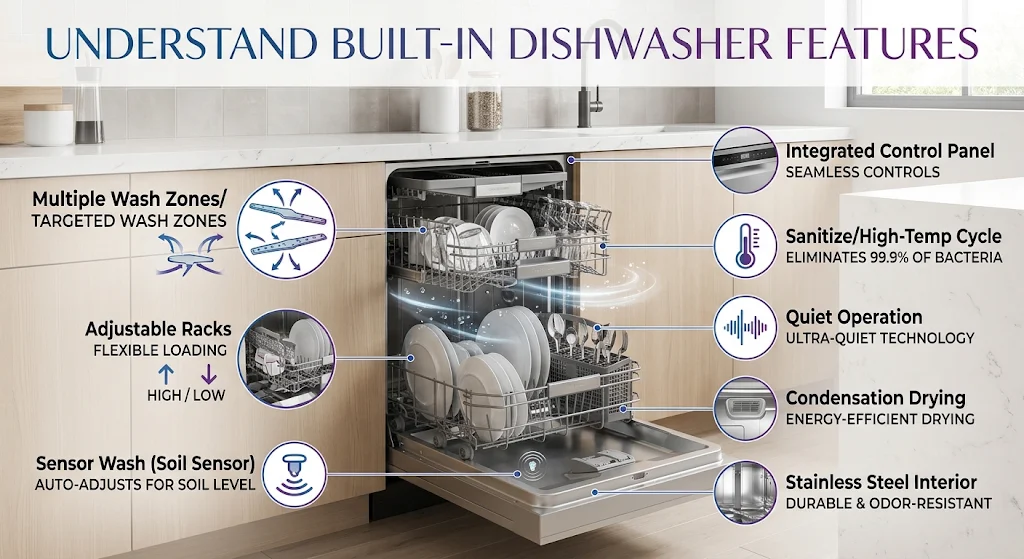
A built-in dishwasher is designed to fit directly into a dedicated space beneath your kitchen countertop. It is one of the most popular choices for modern kitchens because it creates a clean and organized appearance.
These appliances are usually connected to the kitchen’s water supply, drainage system, and electrical connection. Once installed, they become a permanent part of the kitchen layout.
One important advantage is convenience. You do not need to move the appliance whenever you want to use it. Built-in models also come in different finishes, including stainless steel, black, and white.
Some models feature adjustable racks, multiple wash programs, soil sensors, and quiet cleaning technology.
Before purchasing a built-in model, check the available installation space and plumbing connections. If you are renovating your kitchen, planning the dishwasher location in advance can make installation easier.
4. Look for an Energy Efficient Dishwasher
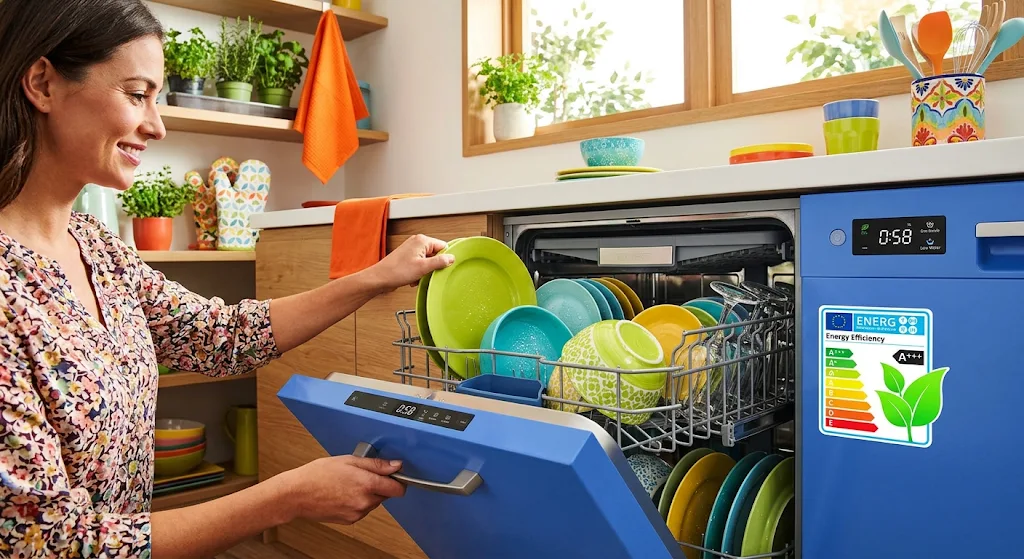
Energy consumption is another important factor when choosing a modern kitchen appliance. An energy efficient dishwasher is designed to clean dishes while managing electricity and water usage effectively.
Many newer models include automatic wash cycles, soil sensors, and efficient water circulation systems. These features can adjust the cleaning process according to the amount of dirt on the dishes.
Water efficiency is particularly important because dishwashers use water throughout their washing and rinsing cycles. Some models can use less water than running a kitchen tap continuously while washing dishes by hand.
However, actual savings depend on the appliance, household habits, cycle selection, and how efficiently the machine is loaded.
When comparing models, check their official energy labels and estimated annual energy consumption. In the United States, ENERGY STAR certification can also help identify qualifying efficient appliances.
You should also avoid running a nearly empty dishwasher. Waiting until you have a reasonably full load can help reduce unnecessary water and electricity consumption.
5. Compare Popular Dishwasher Brands
Different manufacturers offer different designs, cleaning technologies, and price ranges. Comparing brands can help you find an appliance that matches your expectations.
For example, KitchenAid dishwashers are known for offering premium kitchen appliances with features such as adjustable racks, specialized wash cycles, and stainless steel interiors on selected models.
Whirlpool also offers various dishwasher options designed for everyday household use. Depending on the model, features may include sensor-based cleaning, flexible loading arrangements, and different drying technologies.
If you are considering a stainless steel Whirlpool dishwasher, examine its interior and exterior finishes separately. Some models feature stainless steel interiors, while others offer stainless steel exterior finishes.
Do not choose a dishwasher based only on its brand name. Compare cleaning performance, warranty coverage, repair availability, replacement parts, and customer reviews.
A suitable appliance should provide reliable performance and fit your budget without requiring unnecessary features.
6. Check Stainless Steel Interior and Exterior
The material used inside and outside a dishwasher can affect its appearance, durability, and maintenance requirements.
Stainless steel interiors are popular because they offer a durable surface and can tolerate the temperatures used during normal dishwasher operation. They may also help retain heat during certain drying processes.
Some appliances feature stainless steel exterior doors, which can give a kitchen a modern and professional appearance. However, stainless steel surfaces may show fingerprints and water marks, depending on their finish.
Plastic interiors are another option commonly found in certain dishwasher models. They can be more affordable, although their heat-retention characteristics differ from stainless steel.
When comparing materials, consider your budget, cleaning habits, and preferred kitchen design. Also check whether the manufacturer provides specific cleaning instructions for the appliance’s exterior finish.

7. Consider Noise Levels Before Buying
Nobody wants a loud appliance disturbing conversations, family activities, or relaxation time. This is why noise level should be an important part of your purchasing decision.
Dishwasher noise is generally measured in decibels (dBA). A lower decibel rating usually indicates quieter operation.
For example, some modern models operate at approximately 40 to 45 dBA, making them suitable for open-plan kitchens and homes where quiet operation matters.
Noise levels can depend on several factors, including the motor, insulation, water circulation system, and overall appliance design.
If your kitchen is connected to your living or dining area, a quieter model may be worth considering. You should also check whether the manufacturer provides a published noise rating rather than relying only on promotional descriptions.

8. Examine Washing and Drying Performance
Cleaning performance is arguably the most important feature of any dishwasher. An attractive design is not particularly useful if the appliance cannot remove grease and food residue properly.
Most modern models offer multiple washing programs. These may include normal, heavy-duty, quick wash, eco, and delicate cycles.
A heavy-duty cycle is useful for heavily soiled cookware, while a quick cycle may be suitable for lightly dirty dishes. Eco programs are designed to reduce resource consumption, although they may take longer to complete.
Drying performance also deserves attention. Some appliances use heated drying, while others rely on condensation or automatic door-opening systems.
If you regularly wash plastic containers, remember that they may retain more moisture than ceramic or glass dishes.
Before purchasing, compare the available cycles, drying options, adjustable racks, and cleaning technologies. Choose a model that suits the types of dishes your household uses most frequently.
9. Compare Price, Warranty, and Maintenance
Price is important, but the cheapest dishwasher is not always the best long-term investment.
A budget-friendly appliance may provide basic washing functions, while a more expensive model might include quieter operation, adjustable racks, additional cleaning programs, and improved drying features.
However, expensive does not automatically mean better. Focus on features that genuinely improve your everyday experience.
Warranty coverage is another factor worth checking. Read the manufacturer’s warranty terms to understand what is covered, how long coverage lasts, and whether labor or replacement parts are included.
You should also consider maintenance costs. Filters need regular cleaning, spray arms may require occasional inspection, and certain components may eventually need replacement.
Checking the availability of local repair services and genuine replacement parts can help you avoid difficulties later.

Different Types of Dishwashers for Modern Kitchens
Dishwashers are available in several designs to accommodate different kitchen layouts and household requirements.
Built-In Dishwashers
Built-in models are installed beneath kitchen countertops and are suitable for homeowners with dedicated installation space. They offer a permanent and organized solution for everyday dish cleaning.
Portable Dishwashers
Portable dishwashers are useful for kitchens where permanent installation is difficult. Depending on the design, they can be moved when needed and connected to a suitable water supply.
Countertop Dishwashers
Countertop models are compact appliances designed for smaller households. They usually accommodate fewer dishes than standard models and can be useful in kitchens with limited floor space.
Apartment-Size Dishwashers
An apartment size dishwasher is designed for smaller living spaces. These models can provide convenient dishwashing without occupying as much room as full-size appliances.
When selecting a type, consider the available space, household size, installation requirements, and typical daily dishwashing needs.
Dishwasher vs. Washing Machine Top Loader: What Is the Difference?
A dishwasher and a washing machine top loader are both household appliances, but they serve completely different purposes.
A dishwasher is specifically designed to clean kitchen items such as plates, glasses, bowls, cutlery, and cooking utensils. It uses spray arms, hot water, and specially formulated detergent to remove food residue and grease.
On the other hand, a washing machine top loader is designed to wash clothes and fabrics. It uses a different washing mechanism and laundry detergent to remove dirt, sweat, and stains from clothing.
Although both appliances use water and cleaning cycles, their internal designs and cleaning requirements are different.
A washing machine cannot safely replace a dishwasher because it is not designed for cleaning food-contact kitchen utensils.
How to Maintain Your Dishwasher for Long-Term Performance
Regular maintenance helps keep your appliance clean and operating efficiently. Even a high-quality dishwasher needs basic care to deliver reliable results over time.
Here are some practical maintenance tips:
- Clean the filter regularly: Remove trapped food particles and rinse the filter according to the manufacturer’s instructions.
- Inspect spray arms: Check for blocked holes that may affect water circulation.
- Use suitable detergent: Always choose detergent specifically formulated for automatic dishwashers.
- Clean the interior: Remove grease, residue, and unpleasant odors using an appropriate dishwasher cleaning product.
- Check door seals: Wipe the rubber seals to remove dirt and buildup.
- Avoid overloading: Arrange dishes properly so water can reach all surfaces.
- Follow manufacturer instructions: Use recommended cleaning cycles and maintenance procedures.
These simple habits can help improve cleaning performance and reduce the chances of avoidable problems.
Common Dishwasher Buying Mistakes to Avoid
Buying the wrong appliance can lead to unnecessary expenses and frustration. Before making your final decision, avoid these common mistakes.
First, never purchase a dishwasher without measuring the available installation space. Even a small difference in dimensions can create problems.
Second, do not ignore energy and water consumption. An inexpensive model may cost more to operate over time.
Third, avoid choosing an appliance based entirely on appearance or brand reputation. Cleaning performance, capacity, and reliability matter much more.
Finally, always check warranty coverage, installation requirements, noise levels, and maintenance costs before completing your purchase.
Taking time to compare these details can help you select a dishwasher that provides better long-term value.
Frequently Asked Questions (FAQs)
1. What Is the Best Type of Dishwasher for a Home?
The best type depends on your kitchen space and household size. Standard built-in models are suitable for many families, while compact and countertop options work well in smaller kitchens.
2. Are Dishwashers Energy Efficient?
Many modern dishwashers are designed to use water and electricity efficiently. Look for certified models, compare energy labels, and use appropriate wash cycles to manage consumption.
3. What Is a Three-Rack Dishwasher?
A three-rack dishwasher includes an additional upper rack for smaller kitchen items such as cutlery, utensils, and flat tools. It can improve loading flexibility and organization.
4. How Long Does a Standard Dishwasher Last?
A dishwasher commonly lasts around 9 to 12 years, although its lifespan depends on build quality, maintenance, usage, and repair history.
5. Is a Built-In Dishwasher Better Than a Portable One?
Neither option is best for everyone. Built-in models are suitable for permanent kitchen installations, while portable models offer flexibility when permanent installation is not practical.
Final Thoughts
Choosing the right dish washer can make everyday kitchen cleaning easier, more convenient, and less time-consuming. However, the best appliance is not necessarily the most expensive one. You should focus on practical features such as capacity, cleaning performance, energy efficiency, noise levels, and maintenance requirements.
Whether you need a standard model for a family kitchen or a compact option for an apartment, comparing different designs and features can help you make a confident decision. Take time to review specifications, warranty coverage, and installation requirements before purchasing.
A well-chosen dishwasher can become a valuable part of your kitchen and provide convenient cleaning for years.