
Taking care of your skin is an important part of everyday life, but finding the right products and routine can sometimes feel confusing. Everyone has different skin needs, and a product that works well for one person may not produce the same results for someone else. Fortunately, modern technology is making skincare more personalized and easier to understand.
Skincare Tips AI Technology is becoming an interesting topic in the beauty industry because artificial intelligence can help people learn more about their skin, explore suitable products, and monitor visible changes. From smartphone applications to smart beauty devices, technology is creating new ways to approach daily skincare.
Artificial intelligence is also helping beauty companies develop personalized recommendations based on individual preferences and skin-related information. However, technology should support good skincare habits rather than replace professional dermatological advice.
In this guide, we will explore how AI is changing skincare and share 11 practical ways to use modern technology to make your skincare routine more organized and effective.
Table of Contents
1. What Is Skincare Tips AI Technology?
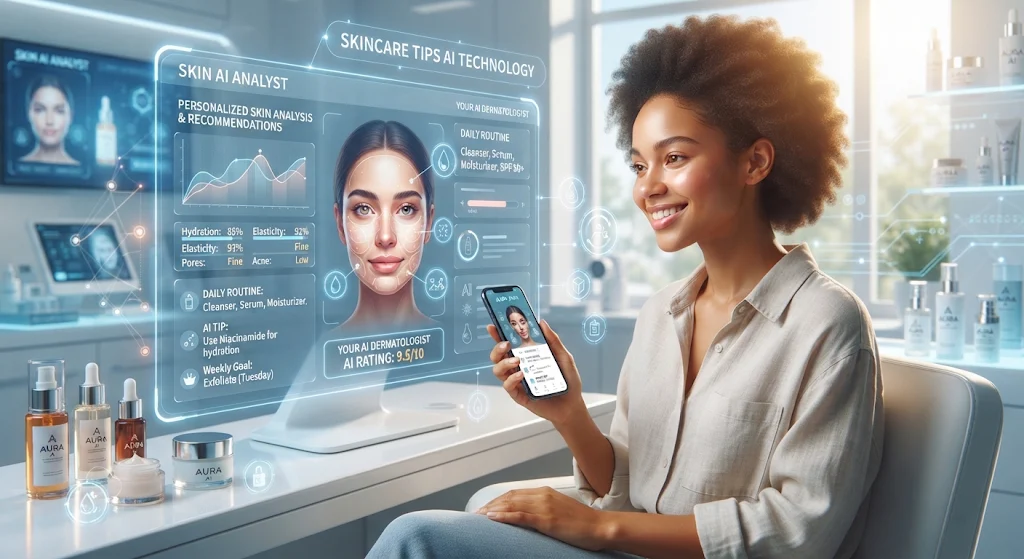
Skincare Tips AI Technology refers to using artificial intelligence and digital tools to help people understand and manage their skincare routines. These technologies use information such as photographs, questionnaires, product preferences, and environmental conditions to provide personalized suggestions.
For example, some skincare applications allow users to take pictures of their faces and receive information about visible characteristics such as dryness, oiliness, redness, and wrinkles.
Artificial intelligence processes the available information and generates recommendations based on its programming and training data.
Unlike traditional skincare advice, digital tools can sometimes provide suggestions based on individual information. However, their results are not always accurate, and they cannot diagnose medical skin conditions.
2. How Artificial Intelligence Is Changing the Skincare Industry
Artificial intelligence is introducing new possibilities throughout the beauty industry. Previously, many people depended mainly on general product recommendations or trial and error when selecting skincare products.
Today, AI-powered applications can help users explore products and routines that may better match their preferences.
One important development is digital skin analysis. Some applications use facial photographs and computer vision technology to identify visible skin characteristics.
Beauty brands are also using artificial intelligence to improve customer experiences. Online shopping platforms can offer product suggestions based on customer preferences, previous purchases, and skincare questionnaires.
These developments demonstrate how artificial intelligence in skincare is making beauty services more interactive and personalized.
However, customers should remember that product recommendations generated by technology are suggestions, not guaranteed solutions.
3. How Smart Skincare Technology Works
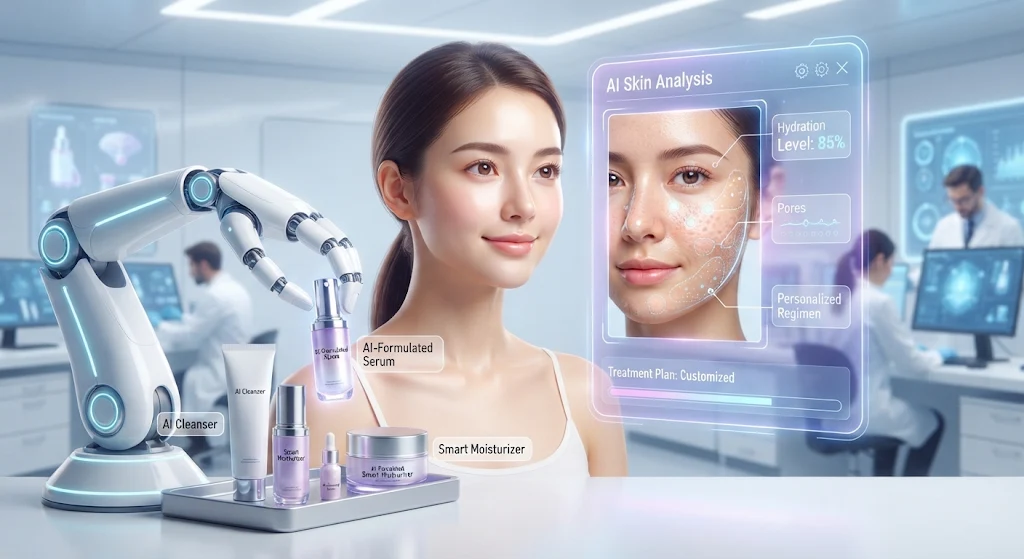
Smart skincare technology combines artificial intelligence, cameras, sensors, and software to provide information about skincare needs.
The process usually starts when someone enters personal preferences or uploads a photograph through a skincare application.
The software analyzes the available information using trained algorithms. Depending on the application, it may provide observations about visible skin characteristics and suggest suitable skincare products.
Some advanced devices also include sensors that collect information about skin hydration or other measurable characteristics.
The technology can make skincare research more convenient, especially for people who find it difficult to choose between numerous products.
Still, lighting, camera quality, image angles, and other factors can affect digital skin analysis results.
4. Benefits of Machine Learning in Skincare
Machine learning is an important part of modern artificial intelligence. It allows computer systems to identify patterns in information and improve certain predictions through training.
In skincare, machine learning can help analyze large amounts of product information, customer preferences, and skin-related images.
One potential benefit is personalized product discovery. Instead of displaying identical recommendations to everyone, digital platforms can use available information to suggest products that match different preferences.
Machine learning can also help applications compare photographs taken at different times, making it easier to observe visible changes.
Another benefit is improved customer experiences. Beauty companies can use data analysis to understand what customers are looking for and develop more relevant services.
However, machine learning systems depend on the quality of their training data. Poor-quality or unrepresentative data can produce misleading recommendations.
5. 11 Powerful Skincare Tips Using AI Technology
Artificial intelligence can make everyday skincare more organized when people use reliable applications and devices. Here are 11 practical ways to include technology in your beauty routine.
1. Use AI Skin Analysis Applications
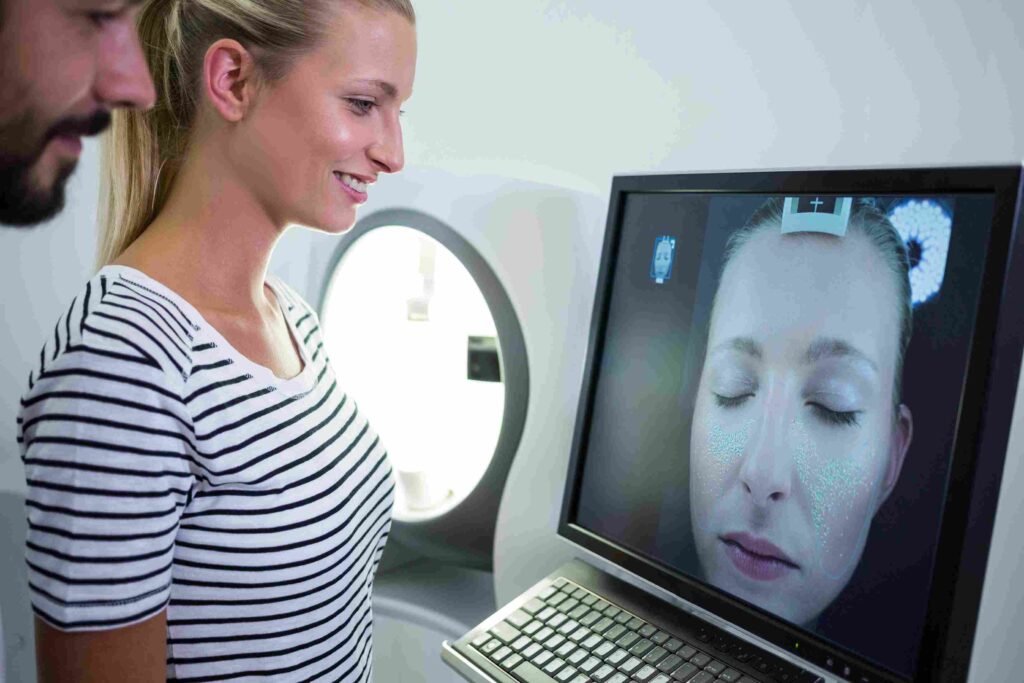
AI skin analysis applications can help users examine visible skin characteristics through smartphone photographs.
Some tools provide observations about wrinkles, redness, dark spots, and other visible concerns.
Before trusting an application’s results, check its privacy policy and understand that lighting conditions can influence the analysis.
2. Understand Your Skin Type
Knowing whether your skin is oily, dry, combination, or sensitive can help you choose appropriate skincare products.
Some digital applications use questionnaires and photographs to provide general suggestions about skin characteristics.
Use these results as a starting point rather than a medical assessment. Pay attention to how your skin responds to different products.
3. Get Personalized Skincare Recommendations
Finding suitable skincare products can take time, especially when there are hundreds of options available.
AI-powered platforms can consider preferences such as product ingredients, budget, and skincare goals to suggest relevant options.
For example, someone looking for a lightweight moisturizer may receive different recommendations from someone searching for a richer moisturizing product.
Always check ingredient lists and avoid products that contain ingredients known to irritate your skin.
4. Track Your Skin’s Progress
Monitoring changes is an important part of a consistent skincare routine.
Some applications allow users to save facial photographs and compare them over several weeks or months.
Taking photographs under similar lighting conditions can make comparisons more useful.
This approach may help you notice visible changes and understand whether your routine appears to be working.
Remember that photographs cannot reliably measure every aspect of skin health.
5. Choose Skincare Ingredients Carefully
Understanding skincare ingredients can help you make better product decisions.
AI tools can summarize ingredient information and explain the common purposes of ingredients such as hyaluronic acid, niacinamide, and salicylic acid.
For example, hyaluronic acid is commonly used in moisturizing products, while salicylic acid is often included in products designed for acne-prone skin.
However, AI-generated ingredient explanations should be checked against reliable sources, especially if you have sensitive skin.

6. Build a Smart Morning Skincare Routine
A consistent morning routine can help protect and maintain healthy-looking skin.
You can use digital reminders or skincare applications to organize your daily steps.
A basic morning routine may include:
- Gentle facial cleansing.
- Applying a suitable moisturizer.
- Using broad-spectrum sunscreen with SPF 30 or higher.
Some smart applications can also provide reminders to reapply sunscreen based on your activities and exposure.
AI can help organize these habits, but the basic skincare steps remain important.
7. Create an Effective Nighttime Routine
Nighttime is another opportunity to maintain a consistent skincare routine.
Digital skincare planners can help users organize products and remember their preferred application schedule.
A simple evening routine may include removing makeup, cleansing the face, and applying moisturizer.
If you use active ingredients such as retinoids or exfoliating acids, follow the product instructions and introduce them gradually.
Technology can make these steps easier to manage, but using too many products at once may irritate your skin.
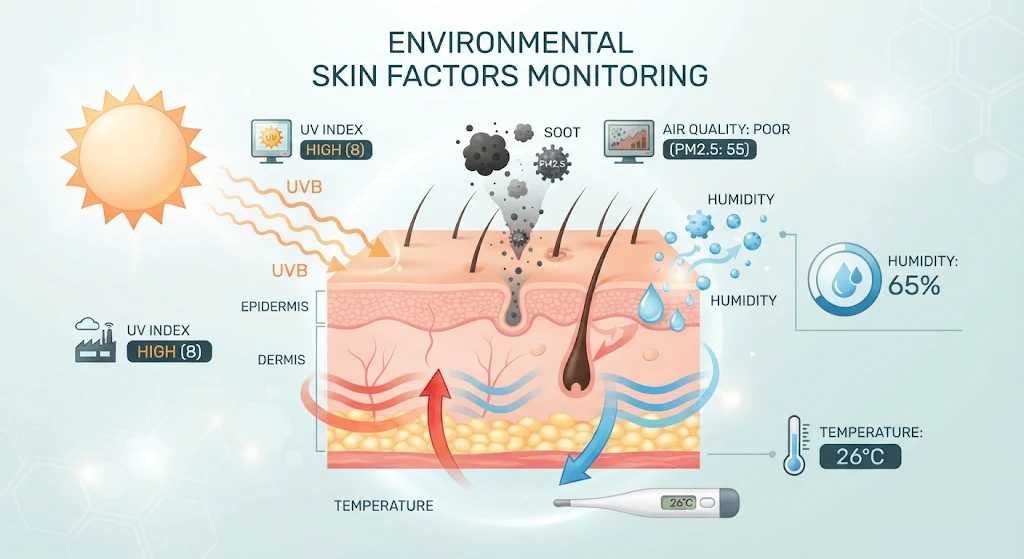
8. Monitor Environmental Skin Factors
Environmental conditions can influence how your skin feels throughout the day.
Temperature, humidity, sunlight, and pollution may affect skincare needs.
Some digital platforms combine weather information with general skincare suggestions. For example, they may remind users to apply sunscreen during sunny conditions or consider additional moisturizing during dry weather.
These suggestions can help people become more aware of their surroundings.
However, weather-based recommendations should complement established skincare practices rather than replace them.
9. Explore AI-Powered Beauty Devices
Smart beauty devices are becoming an interesting part of the technology in the beauty industry.
Examples include smart mirrors, digital skin scanners, and connected skincare devices.
Some smart mirrors provide lighting and camera features that help users examine their appearance. Certain skin scanners can collect information about selected skin characteristics.
Before purchasing any device, research its features, scientific validation, and privacy practices.
A more expensive device does not automatically provide more accurate results.
10. Avoid Unnecessary Skincare Products
Buying too many skincare products can make your routine expensive and confusing.
AI-powered product discovery tools can help users compare ingredients, prices, and product descriptions.
For example, you can use digital tools to identify products that contain similar ingredients or serve comparable purposes.
This may help reduce unnecessary purchases.
However, avoid depending entirely on automated recommendations. Consider your skin’s tolerance, product quality, and advice from qualified professionals before introducing something new.
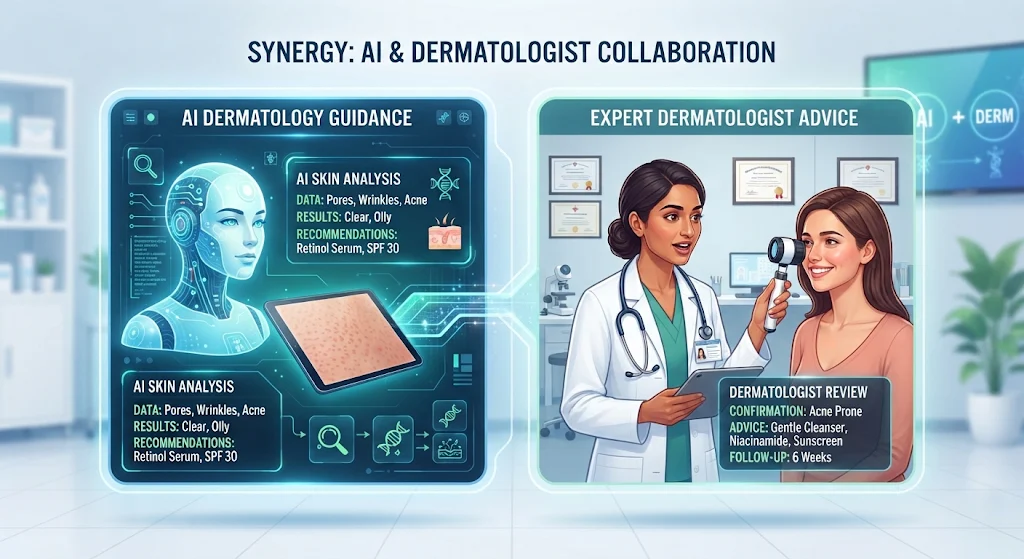
11. Combine AI Advice With Dermatologist Guidance
One of the most important skincare tips AI technology offers is the ability to support informed decisions.
However, artificial intelligence cannot replace a qualified dermatologist.
If you experience persistent acne, unexplained rashes, severe irritation, or changing skin spots, seek professional medical advice.
A dermatologist can examine your skin, consider your medical history, and recommend appropriate treatment.
AI applications are useful for general information and organization, but professional guidance remains essential when dealing with medical skin concerns.
6. Technology in the Beauty Industry: Smart Tools and Innovations
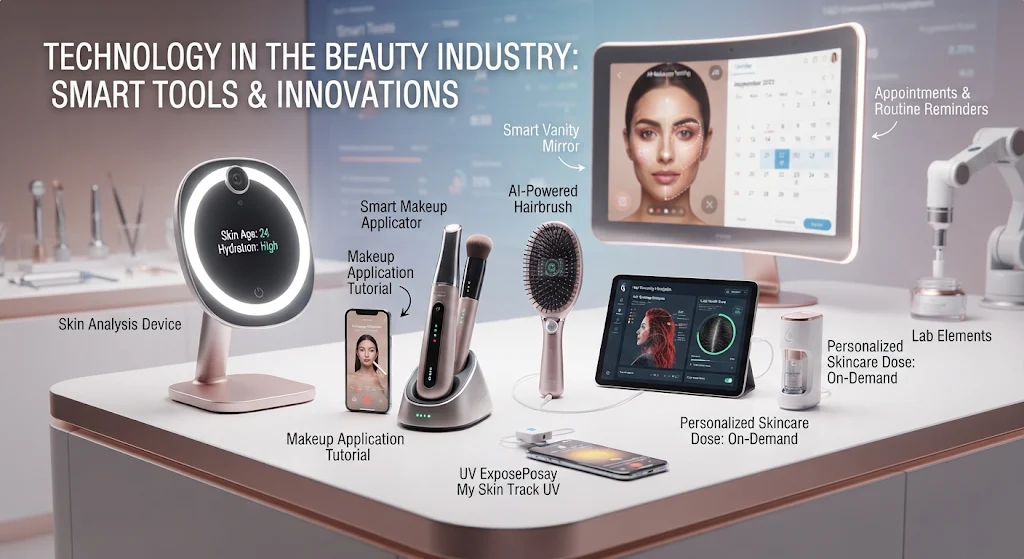
The beauty industry is constantly exploring new digital solutions to improve customer experiences.
Several technologies are becoming increasingly popular:
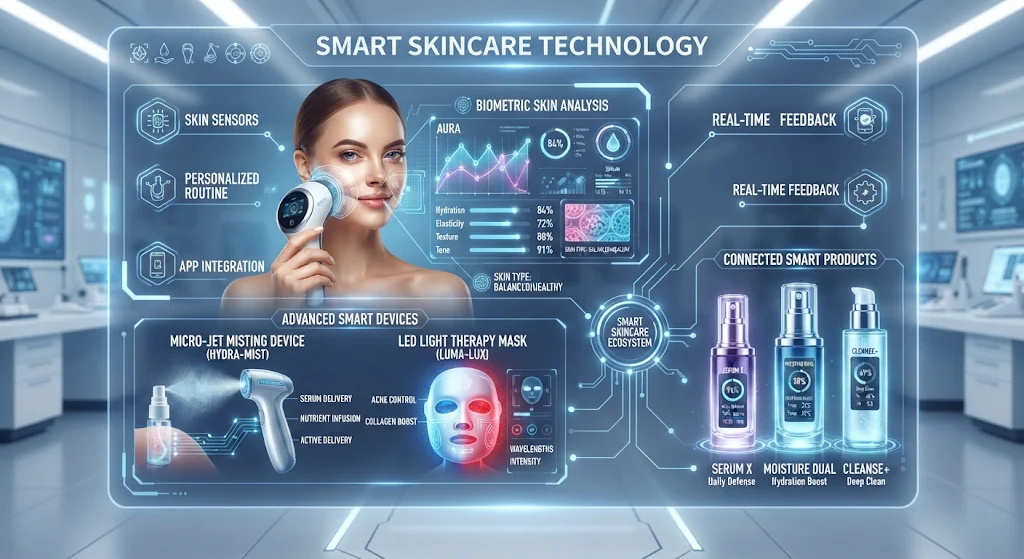
AI Skin Scanners: These devices analyze selected visible skin characteristics and provide digital reports.
Smart Beauty Mirrors: Some mirrors include cameras and software that help users examine their appearance under different lighting conditions.
Skincare Applications: Mobile applications can organize routines, provide product information, and track visible changes.
Virtual Beauty Consultations: Digital platforms allow customers to explore products and receive general skincare guidance remotely.
Connected Beauty Devices: Certain devices combine sensors and applications to provide information about selected skincare measurements.
These innovations demonstrate the growing relationship between beauty and technology.
7. Advantages and Limitations of AI-Powered Skincare
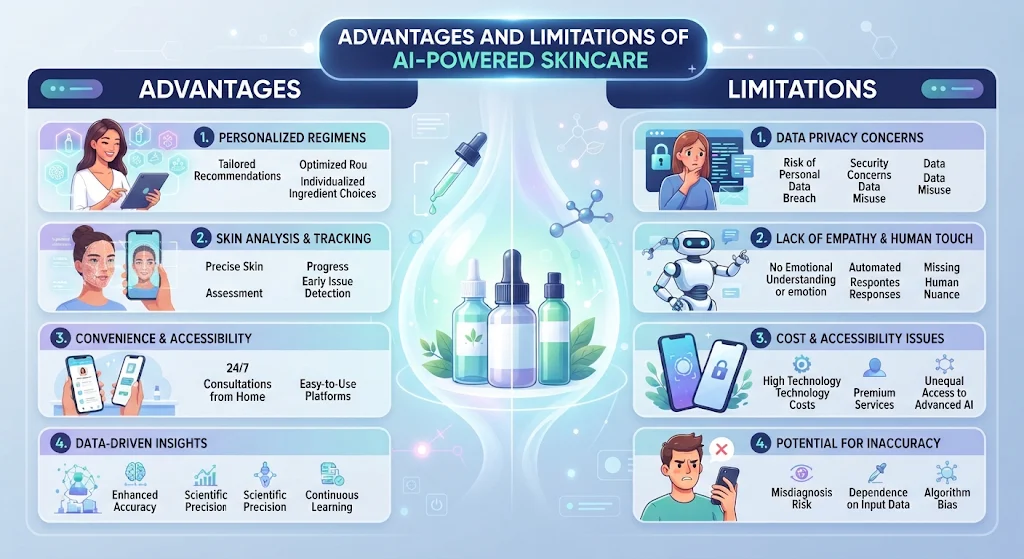
AI-powered skincare has several advantages, but understanding its limitations is equally important.
Advantages
- Personalized Suggestions: Digital tools can provide recommendations based on individual preferences and available information.
- Convenience: Users can explore skincare information through smartphones and online platforms.
- Progress Tracking: Applications can help organize photographs and monitor visible changes.
- Product Research: AI tools can make comparing ingredients and product descriptions easier.
- Better Organization: Digital reminders can help people maintain consistent skincare habits.
Limitations
- Possible Inaccuracies: Skin analysis results can be affected by lighting, image quality, and algorithm limitations.
- Privacy Concerns: Facial photographs and personal information require careful handling.
- Limited Medical Understanding: AI cannot replace a professional examination or medical diagnosis.
- Different Skin Characteristics: Some systems may not perform equally well across different skin tones and skin types.
Understanding these limitations helps users make more responsible decisions.
8. The Future of AI Skincare
The future of AI skincare looks promising as technology continues to develop.
Researchers and beauty companies are exploring more advanced ways to combine artificial intelligence, machine learning, digital imaging, and connected devices.
Future applications may offer more detailed product recommendations and better ways to monitor visible skin changes.
Wearable technology may also contribute to skincare research by collecting selected environmental or personal measurements.
Another important development could be improved personalization. As algorithms become more advanced and datasets become more representative, digital recommendations may become more relevant.
However, accuracy, transparency, scientific testing, and data protection will remain essential.
The future of AI skincare should focus on helping people make informed decisions rather than encouraging them to depend completely on automated systems.
9. Is AI Technology Worth Using for Your Skincare Routine?
AI technology can be useful for people who want to organize their skincare routines, compare products, and learn more about their skin.
Beginners may find digital applications helpful because they can provide accessible information and reminders.
People who already follow established skincare routines may also benefit from progress-tracking features and ingredient research tools.
However, choosing reliable applications is important. Always review privacy settings and avoid treating automated skin analysis as a medical diagnosis.
The best approach is to combine useful technology with simple skincare habits, suitable products, and professional advice when necessary.
Frequently Asked Questions About Skincare Tips AI Technology
1. What Is AI Technology in Skincare?
AI technology in skincare uses artificial intelligence to analyze available skin-related information, provide general recommendations, and support personalized beauty routines.
2. How Does Artificial Intelligence Analyze Skin?
Some AI applications use facial photographs and trained algorithms to identify visible characteristics such as wrinkles, redness, and dark spots.
3. Can AI Recommend Skincare Products?
Yes. Certain platforms use product information and personal preferences to suggest skincare products. However, recommendations should always be checked before purchasing.
4. Is AI Skin Analysis Accurate?
AI skin analysis can provide useful observations, but results may vary depending on lighting, camera quality, skin characteristics, and the accuracy of the software.
5. What Is the Future of AI-Powered Skincare?
Future developments may include improved skin analysis, more personalized product recommendations, advanced beauty devices, and better digital skincare experiences.
Another benefit of skincare tips AI technology is its ability to make personalized skincare guidance more accessible. These smart tools can help users track skin changes, understand product ingredients, and build routines based on their individual needs. By using skincare tips AI technology wisely, people can make better-informed decisions about their daily skincare habits.
Skincare tips AI technology makes personalized skincare guidance more accessible. These smart tools help users understand their skin needs and explore suitable products.
AI-powered tools can also track visible skin changes and suggest personalized routines. This makes daily skincare planning easier and more organized.
However, AI recommendations should not replace professional dermatological advice. Always choose products according to your skin type and consult a dermatologist when needed.
Conclusion
Artificial intelligence is creating new opportunities in the beauty industry by making skincare information more accessible and personalized. From digital skin analysis to smart beauty devices, technology can help people organize routines, compare products, and monitor visible changes.
Following practical Skincare Tips AI Technology can make your daily beauty routine more convenient, provided you choose reliable tools and understand their limitations.
Remember that healthy skincare does not require complicated technology or expensive products. Consistent habits, suitable skincare products, sun protection, and professional guidance remain the foundation of good skin health. Use AI as a helpful assistant, not a replacement for informed personal care.
Skincare tips AI technology can make daily skincare decisions easier by helping users understand their skin needs and explore suitable product options. With personalized recommendations and smart skin analysis, skincare tips AI technology can support a more informed and consistent skincare routine. However, users should always consider their skin type and consult a qualified dermatologist when necessary.