
Technology gadgets have become a normal part of our daily routines. We use them to stay connected, track our health, listen to music, manage work, and make simple tasks easier. Smartwatches are one of the clearest examples of this change. They started as simple digital watches, but today’s models can handle calls, notifications, fitness tracking, navigation, music controls, and much more. Some newer watches are also adding AI features, better Bluetooth connections, and improved designs. If you are planning to buy a smartwatch in 2026, it helps to know which features are actually useful and which ones you may never use.
What Are Technology Gadgets?
Technology gadgets are electronic devices made to help with a particular task or improve everyday convenience. Some are designed for communication, while others focus on entertainment, health, work, travel, or home use.
Smartphones, wireless earbuds, tablets, fitness trackers, smart speakers, portable chargers, and smartwatches are all common examples. The market continues to grow as manufacturers find new ways to make devices smaller, faster, and easier to use.
Smartwatches are especially interesting because they bring several functions into one small device. Instead of taking out your phone every time you receive a message or want to check your activity, you can often do it directly from your wrist.
This convenience is one of the main reasons wearable gadgets have become so popular.
Why Smartwatches Are So Popular
A smartwatch can save you from constantly reaching for your phone. You can glance at your wrist to see an incoming call, read a short notification, check the time, or control music.
For people who exercise, the benefits are even more noticeable. Many watches can record walks, runs, cycling sessions, gym workouts, and other activities. They can also provide information such as steps, distance, heart rate, and workout duration.
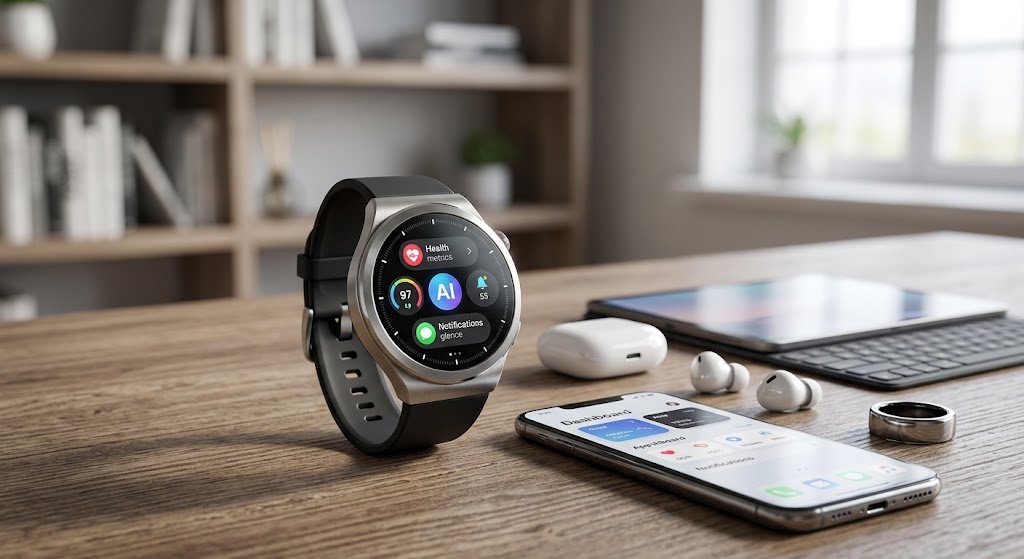
Sleep tracking has also become common. A watch worn overnight can collect information about your sleep and show it in a companion smartphone app.
Of course, not everyone needs all these features. Someone who mainly wants notifications may not care about advanced fitness tools. Someone who runs every morning may consider GPS and battery life more important than the watch’s appearance.
That is why choosing a smartwatch should start with your own routine.
AI Smart Watch: What Does AI Actually Add?
An AI smart watch uses artificial intelligence to make certain features more useful or easier to access. The exact experience depends on the watch, because manufacturers use AI in different ways.
Voice interaction is one example. Instead of tapping through several menus, you may be able to ask the watch a question or give it a simple command. AI can make these interactions feel more natural.
AI can also be used to understand information collected by the watch. For example, a device may record your activity and sleep patterns, while an AI-based system can help explain those patterns in simpler terms.
Personalization is another area where AI may become more useful. A smartwatch could learn more about your normal activity and provide suggestions based on your habits.
However, buyers should be careful with the term “AI.” It is now used in many products, and not every AI feature is equally useful. Before buying an AI smartwatch, check what the feature actually does. A watch with a few basic AI tools should not be compared with one offering a much wider AI system.
The hardware still matters just as much. A smart assistant cannot make up for poor battery life, an uncomfortable design, or unreliable software.
Bluetooth Smart Watch: What Can You Do With It?
A Bluetooth smart watch connects to your phone wirelessly through Bluetooth. Once the connection is set up, the watch and phone can exchange information without needing a cable.
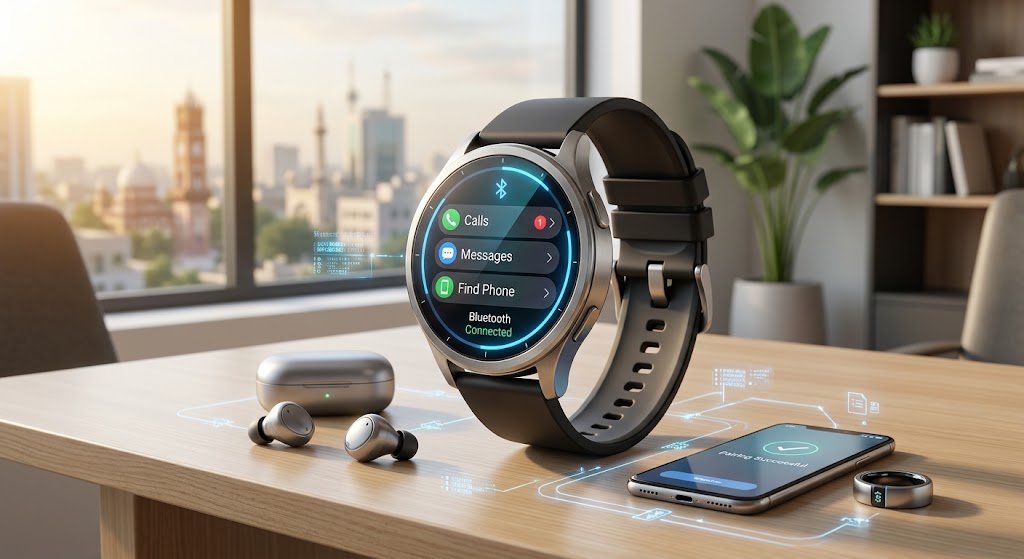
This connection allows a smartwatch to show notifications from your phone. Depending on the model, you may also be able to answer calls, control music, read messages, or use other phone-related features from your wrist.
Bluetooth is useful because it works well for everyday situations where your phone is nearby. You do not need a separate mobile connection for many basic smartwatch functions.
There is a limit, though. Bluetooth has a practical range, and the connection can be affected by distance and obstacles. If you leave your phone behind, some watch features may stop working.
This is where cellular smartwatches are different. A cellular model can connect to a mobile network, allowing it to perform more tasks without keeping your phone nearby. The trade-off is that cellular models can cost more and may require an additional mobile plan.
For most people who carry their phone throughout the day, Bluetooth is enough.
Stylish Smart Watches for Everyday Wear
A smartwatch is something you may wear for most of the day, so appearance should not be ignored. Stylish smart watches are designed to combine modern features with a look that works with different types of clothing.
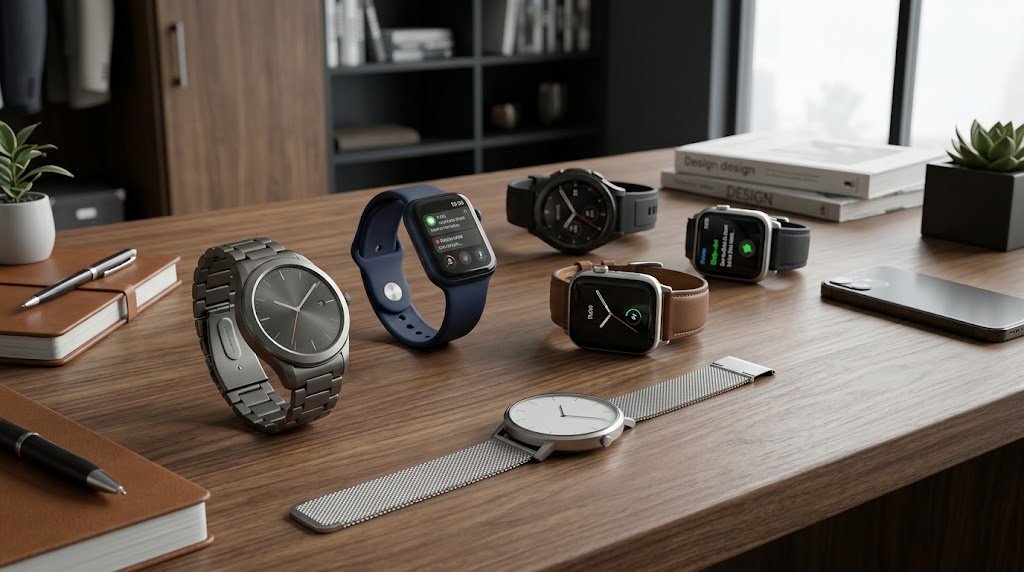
There are many designs to choose from. Some watches have a round face that resembles a traditional watch, while others use a square or rectangular display. Neither shape is automatically better. It mostly comes down to personal preference and how you like to use the screen.
The strap can change the whole appearance of a watch. Silicone straps are practical for exercise because they are lightweight and easy to clean. Metal straps can give a more formal look, while leather-style options may suit office wear or casual outfits.
Size is another thing to think about. A larger screen can make messages easier to read, but a large watch may feel uncomfortable on a smaller wrist. A compact model can be easier to wear overnight as well.
The best smartwatch design is one you will actually enjoy wearing.
Features to Check Before Buying a Smartwatch
Smartwatch specifications can become confusing very quickly. Rather than comparing every number, focus on the features that will affect your daily use.
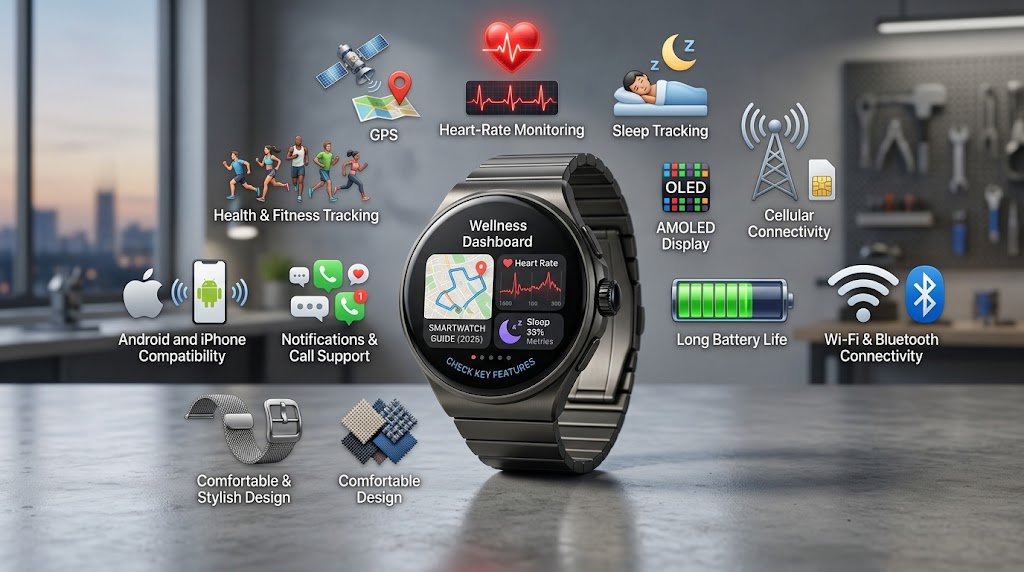
Health and Fitness Tracking
Health and fitness tracking is now one of the main reasons people buy smartwatches.
Depending on the model, you may get step counting, heart-rate tracking, sleep monitoring, workout modes, calorie estimates, and other activity features.
If you spend a lot of time exercising outdoors, GPS can be particularly useful. It can track routes, distance, and pace without relying entirely on your phone.
If your main goal is general activity, you may not need an expensive watch with every available sensor. A simpler model can still cover the basics.
Remember that smartwatch health readings are intended mainly for wellness and fitness purposes. They should not be treated as a substitute for professional medical testing.
Display Quality
The screen is something you will interact with every day, so it deserves attention.
AMOLED displays are common in higher-end smartwatches because they offer strong contrast and bright colors. Outdoor visibility is also important, especially if you plan to use the watch while walking, cycling, or running.
A responsive touchscreen makes menus easier to navigate. Some watches also include physical buttons or a rotating crown, which can be useful when your fingers are wet or when you are wearing gloves.
An always-on display is convenient because you can check the time without raising your wrist. The downside is that it can affect battery life.
Battery Life
Battery life can make or break the smartwatch experience.
A watch that needs charging every day may be fine for some users. Others may find daily charging annoying, particularly if they want to track sleep overnight.
Battery performance depends on the model and how you use it. GPS, calls, high screen brightness, health sensors, and always-on displays can all increase power consumption.
When comparing watches, look for realistic battery information rather than relying only on the longest figure mentioned by the manufacturer.
Connectivity
Bluetooth is the standard connection for many smartwatches. Some models also support Wi-Fi, GPS, or cellular connectivity.
GPS is useful for outdoor activities and navigation. Wi-Fi can help the watch connect to the internet when your phone is not connected through Bluetooth.
Cellular connectivity provides greater freedom from your phone, but it usually comes at a higher price.
Think about your daily habits before paying extra for features you may not use.
Phone Compatibility
Not every smartwatch works equally well with every smartphone.
Some models are designed around a particular operating system and may offer the best experience when paired with phones from the same company. Other watches are made to work across Android and iPhone devices.
Compatibility can also affect available apps and features.
Before buying, check the official compatibility requirements. It is frustrating to purchase a watch and then discover that an important feature does not work with your phone.
How AI Is Changing Smartwatch Technology
AI is still developing in the smartwatch market, but it could change how people interact with wearable devices.
Voice commands are an obvious example. As AI becomes better at understanding natural speech, talking to a smartwatch may become more useful than navigating small menus.
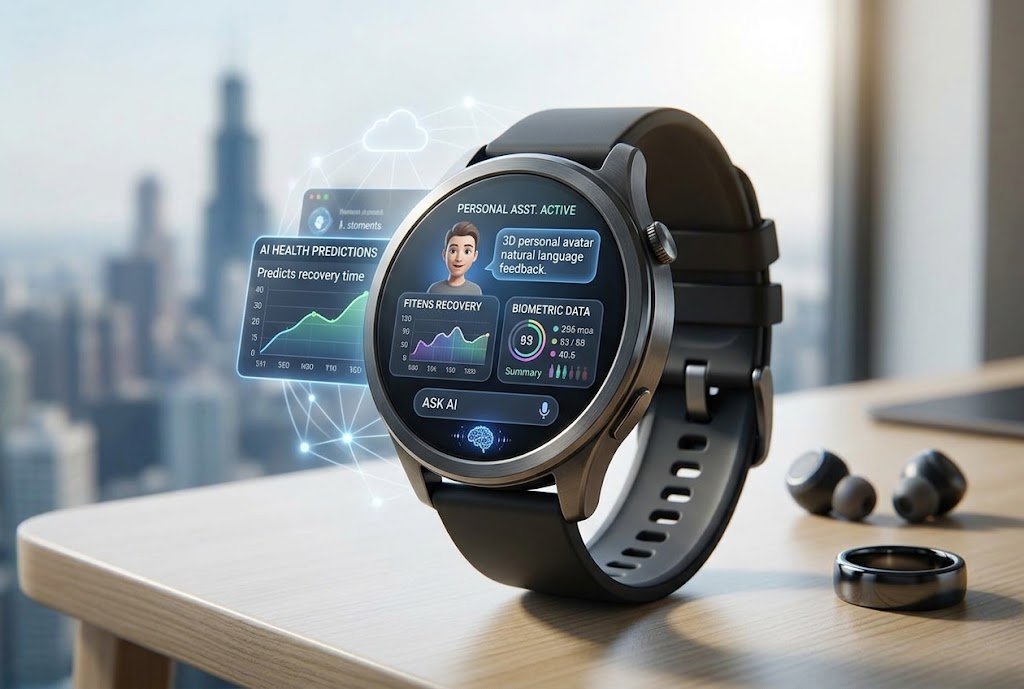
AI may also help with personal information. Smartwatches already collect large amounts of activity data. Better software could turn that raw information into easier-to-understand summaries.
Fitness is another area with room for growth. Instead of simply recording a workout, future systems may be able to look at your previous sessions and provide more personalized suggestions.
Notifications could become smarter too. Instead of treating every message as equally important, AI systems may become better at helping users focus on the alerts they actually care about.
Still, AI is only one part of the smartwatch experience. A watch with impressive AI features is not automatically a good product. Comfort, battery life, screen quality, software, and reliability remain important.
Style or Features: Which Should You Choose?
There is no universal answer.
If you exercise often, fitness features should probably be high on your list. GPS, accurate activity tracking, battery life, and a comfortable strap can make a bigger difference than a premium-looking case.
For office workers, appearance may matter more. A simple design with good notifications and a clear screen can fit easily into a professional setting.
Frequent travelers may want strong battery life, GPS, and reliable connectivity. If you spend a lot of time away from your phone, cellular support may also be worth considering.
If fashion is your main concern, look for a watch with a design that fits your wardrobe. There is little point buying a watch that has excellent specifications if you do not enjoy wearing it.
Thankfully, you do not always have to choose between style and useful features. Many current smartwatches offer a good balance of both.
How to Choose the Right Smartwatch
Start by deciding what you actually expect from the watch.
Set a budget. Smartwatches range from affordable basic models to expensive premium devices. Knowing your budget makes the comparison much easier.
Check compatibility. Make sure the watch supports your smartphone before looking at anything else.
Choose your main features. Decide whether you care most about fitness tracking, calls, notifications, GPS, sleep tracking, AI tools, or appearance.
Think about battery life. If charging every night is not convenient for you, focus on watches with longer battery performance.
Consider comfort. You may wear the watch all day and possibly while sleeping, so size and weight matter.
Look at the display. A bright and responsive screen makes everyday use much more pleasant.
Check the software. A smartwatch is not only about hardware. The companion app and regular software updates can have a major effect on the experience.
Decide on connectivity. Bluetooth is enough for many users. Cellular connectivity makes more sense if you often leave your phone behind.
Do not buy a watch simply because it has the longest feature list. A model with fewer features can be the better choice if it does the things you actually need.
Other Technology Gadgets Worth Looking At
Smartwatches are only one part of the wider gadget market.
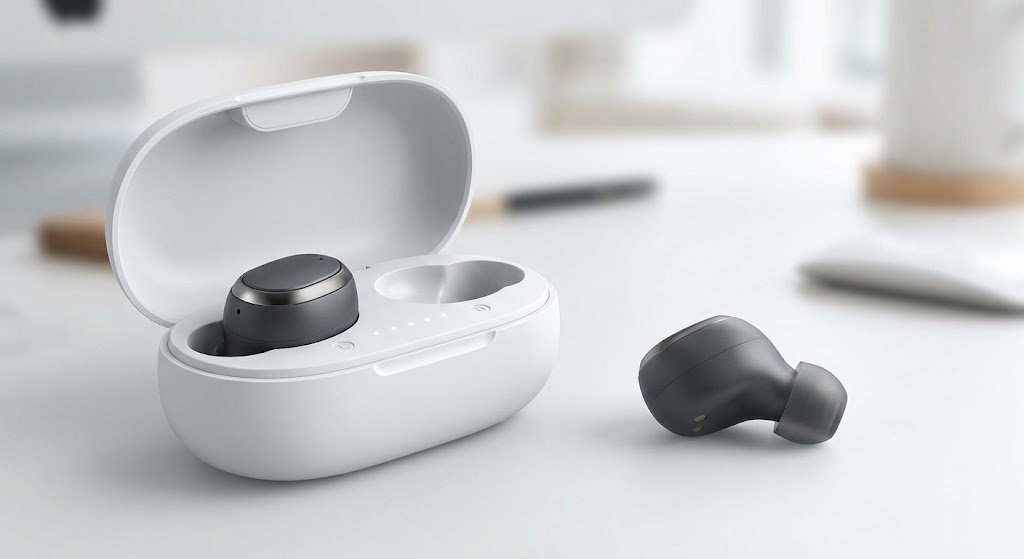
Wireless earbuds are useful for calls, music, podcasts, and travel. Many modern models also offer noise cancellation and improved battery performance.
Smart rings are another wearable option. They are smaller than watches and can focus on health and activity tracking without placing a screen on your wrist.
Fitness trackers are still useful for people who mainly want activity and health information. They are often simpler than full smartwatches.
Smart home gadgets are also becoming common. Smart lights, speakers, cameras, and other connected devices can be controlled through a smartphone or voice commands.
Portable power banks may not be as exciting as an AI device, but they can be extremely useful. Keeping your phone or other gadgets charged is important when traveling or spending a long day away from home.
The best gadget is not always the newest or most expensive product. A simple device that solves a problem you have every day can provide much more value.
Are Smartwatches Worth Buying in 2026?
For many people, a smartwatch can be a useful purchase.
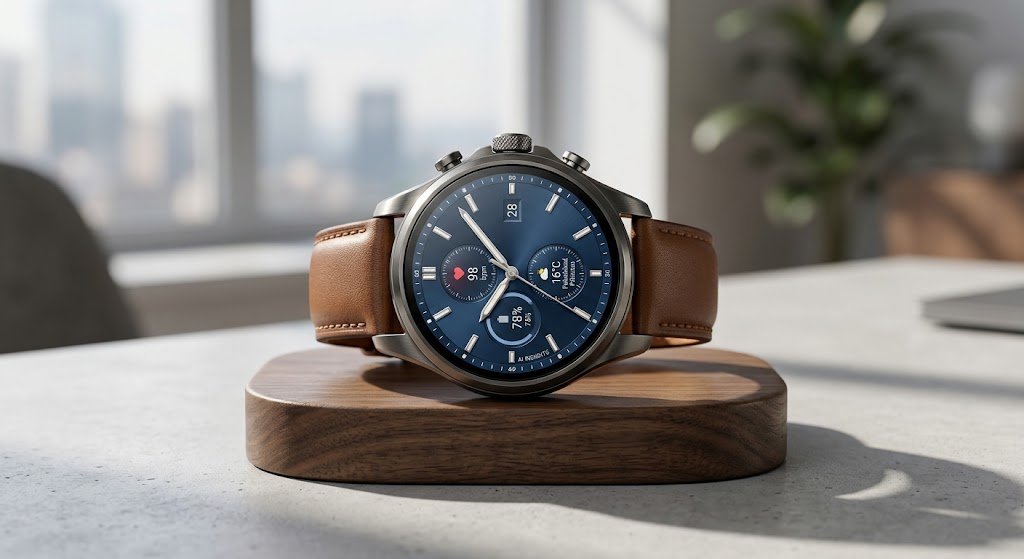
The technology has moved beyond simple notifications and step counting. Depending on the model, you can now get GPS, workout tracking, sleep information, calls, music controls, health features, and AI-based tools in a device that sits comfortably on your wrist.
That does not mean everyone needs one.
If you prefer a traditional watch and rarely use fitness or phone-related features, there may be little reason to switch. But if you like tracking your activity, checking notifications quickly, or leaving your phone in your pocket, a smartwatch can be genuinely convenient.
Price should also be considered. You do not necessarily need a premium model to get useful smartwatch features. Mid-range watches can provide a good balance of functions and cost.
The right choice depends on what you will use rather than how impressive the specification sheet looks.
Frequently Asked Questions
What is an AI smart watch?
An AI smart watch is a wearable device that uses artificial intelligence for features such as voice interaction, smart assistance, personalized information, or data analysis. The available AI features differ from one model to another.
What is a Bluetooth smart watch?
A Bluetooth smart watch connects to a smartphone using Bluetooth. It can then receive notifications, synchronize data, control music, and, on supported models, handle calls when the phone is nearby.
Are stylish smart watches practical?
Yes. A stylish smartwatch can offer useful everyday features while also looking suitable with casual or professional clothing. Comfort, size, and strap quality are still important.
Can a smartwatch work without a phone?
Some smartwatch functions work without a phone, such as tracking steps or recording certain workouts. Cellular models can provide more independent calling and data features, although many functions still depend on a smartphone.
How often does a smartwatch need charging?
It depends on the model and how you use it. Some watches require daily charging, while others can last several days. GPS, calls, screen brightness, and other power-hungry features can reduce battery life.
Do smartwatches work with every smartphone?
No. Compatibility varies between watches and phones. Always check the supported operating systems before purchasing.
What is the most important smartwatch feature?
There is no single feature that is best for everyone. Battery life, comfort, compatibility, health tracking, GPS, display quality, and connectivity can all matter depending on your needs.
Final Thoughts
The world of technology gadgets continues to move forward, and smartwatches show just how quickly everyday devices can change. A modern smartwatch can do much more than tell time. It can keep you updated, record workouts, track daily activity, connect with your phone, and offer useful tools from your wrist.
AI is making some watches smarter, while Bluetooth keeps phone connections simple. At the same time, better designs have made smartwatches easier to wear at work, at the gym, or during everyday activities.
Whether you are interested in an AI smart watch, a Bluetooth smart watch, or one of the many stylish smart watches on the market, focus on your actual needs before making a decision. Check compatibility, battery life, comfort, useful features, and software support rather than choosing a product simply because it has more features.
A good smartwatch should make your day easier, not give you another complicated device to manage.