
Technology has become a normal part of both work and daily life. The right professional gadgets can make simple tasks easier, help you stay connected, and save time during a busy day. You do not always need the most expensive device to work better. A useful laptop, a good pair of headphones, a power bank, or a smart watch can make a real difference when you use it for the right purpose.
There are many gadgets available today, and choosing between them can be confusing. Some are made for office work, while others are better for travel, remote work, communication, or entertainment. There are also smart devices that connect to the internet and work with cloud services. In this guide, we will look at a practical list of gadgets that can be useful for professionals and everyday users.
What Are Professional Gadgets?
Professional gadgets are electronic devices that help people with their work, communication, organization, or daily tasks. They can be simple devices or advanced smart products. What makes a gadget professional is not always its price. Its real value comes from how useful it is and how well it fits into your routine.
For example, a laptop is an important tool for many professionals because it can be used for writing, meetings, research, design, business work, and many other tasks. A wireless headset can make online meetings easier, while a portable SSD can help keep important files safe and easy to carry.
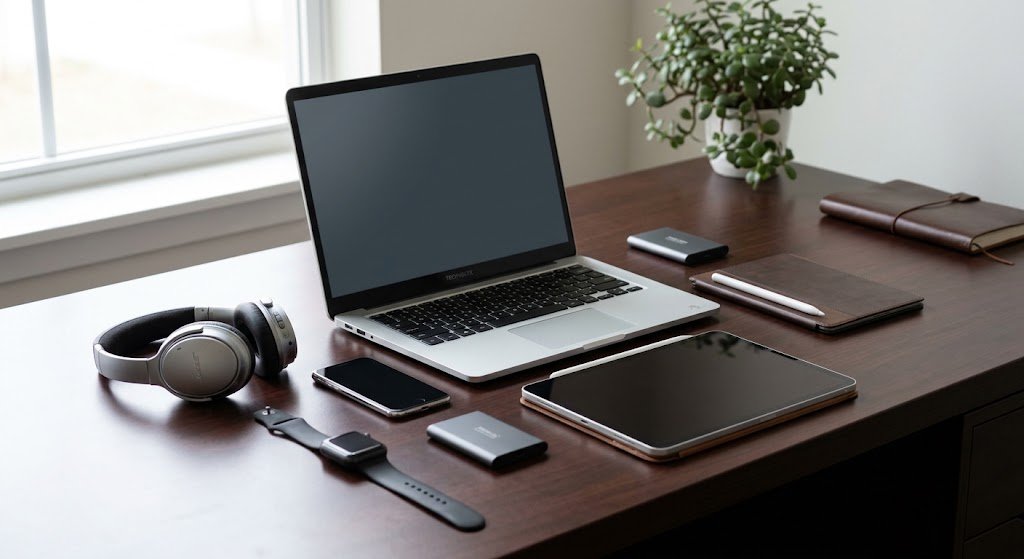
A professional gadget should ideally solve a problem. If a device saves you time, makes your work easier, or helps you stay organized, it can be a useful addition to your setup.
What Makes a Gadget Useful for Work?
A good work gadget usually has some of these qualities:
- It is easy to use.
- It works well with your other devices.
- It saves time.
- It is reliable for regular use.
- It is easy to carry when needed.
- It offers useful features without being too complicated.
- It has good security and privacy options.
The best choice will depend on your job and personal needs. A graphic designer may need a different setup from a business manager or a freelancer.
List of Gadgets Professionals Can Use
There is no single gadget that is perfect for everyone. Some people need powerful computers, while others can do most of their work from a phone or tablet. Here is a practical list of gadgets that can be useful for different types of professionals.
Laptops
A laptop is still one of the most useful devices for professional work. It gives you enough space to work on documents, manage websites, attend meetings, send emails, and use work software.
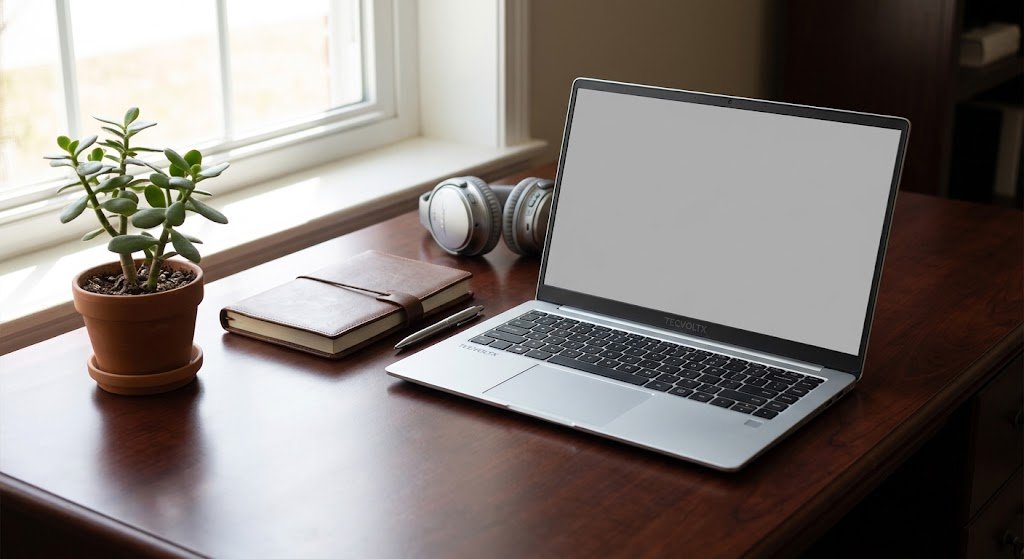
When choosing a laptop, look at the processor, RAM, storage, battery life, screen quality, and keyboard. You should also consider the type of work you do. Basic office tasks do not require the same hardware as video editing or graphic design.
Portability is another important point. If you travel often, a lighter laptop may be more useful than a large and heavy model.
Smartphones
A smartphone is more than a device for calls and messages. Many professionals use their phones to check email, manage calendars, answer clients, join meetings, take notes, and keep up with work when they are away from their computers.
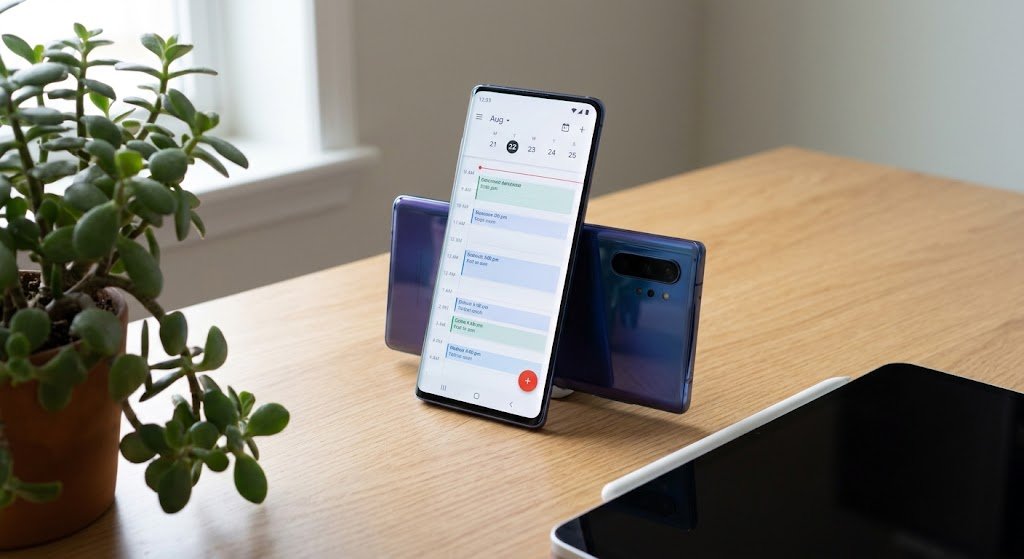
A good smartphone should have reliable battery life, enough storage, a clear display, and a camera that meets your needs. Security is also important because phones often contain personal and work information.
Tablets
A tablet can be useful when you want something lighter than a laptop. It works well for reading documents, taking notes, viewing presentations, checking emails, and browsing the web.
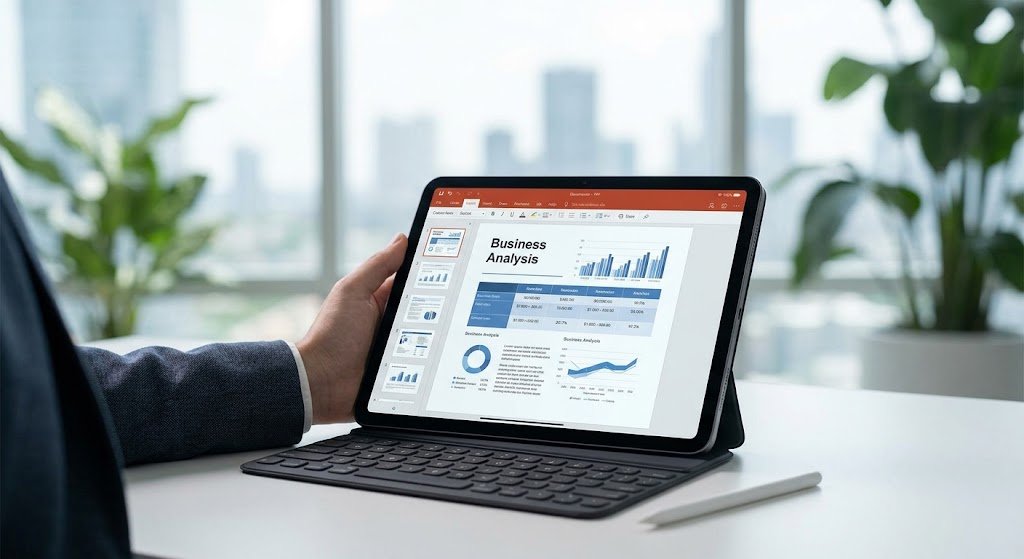
Some tablets can also work with a keyboard and stylus, making them more useful for writing and note-taking. They are especially handy for people who travel regularly or attend many meetings.
Wireless Headphones and Earbuds
Online meetings have become part of normal work for many people. A good pair of wireless headphones can make calls clearer and reduce background noise.
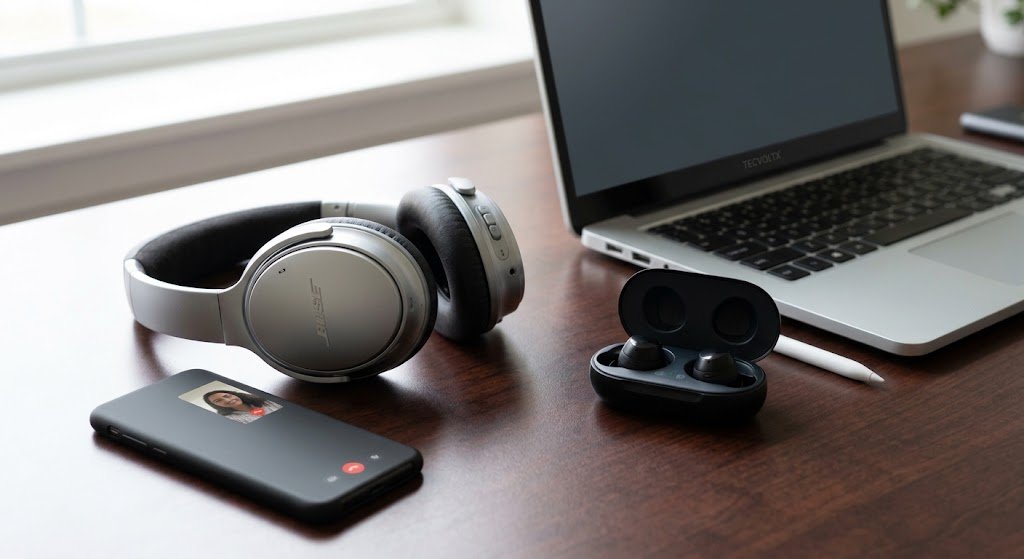
They are also useful when you need to focus in a busy office, coffee shop, or shared workspace. Before buying, check the microphone quality, battery life, comfort, and connection stability.
Smartwatches
A smartwatch can help you stay aware of important notifications without constantly checking your phone. You can see calls, messages, calendar reminders, and other alerts directly on your wrist.
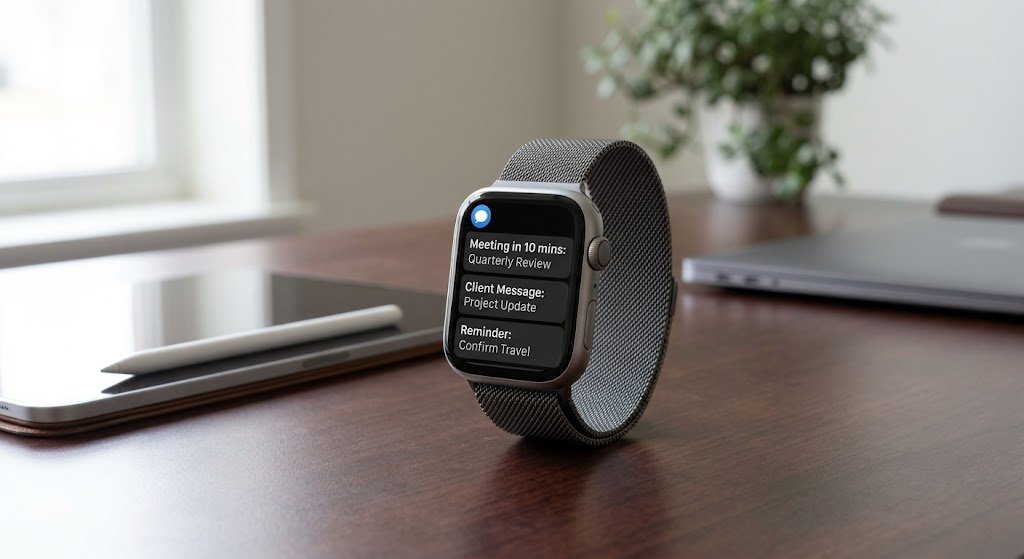
For some users, a smartwatch is also useful for tracking daily activity and managing simple reminders. It should not replace your main work devices, but it can be a convenient companion.
Power Banks
A dead phone battery can become a problem when you are traveling or working away from an office. A good power bank provides backup power when you do not have access to a wall outlet.
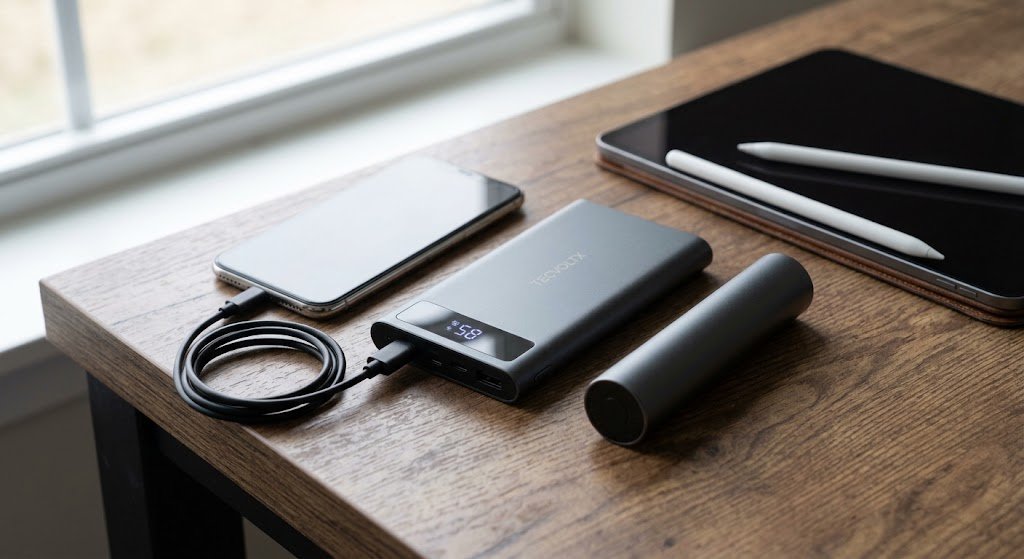
When choosing one, check its capacity, size, charging speed, and the ports it supports. A compact model may be better for daily carrying, while a larger one can be useful during long trips.
Portable SSDs
Professionals often work with important documents, photographs, videos, and other files. A portable SSD provides a convenient way to store and transfer data.
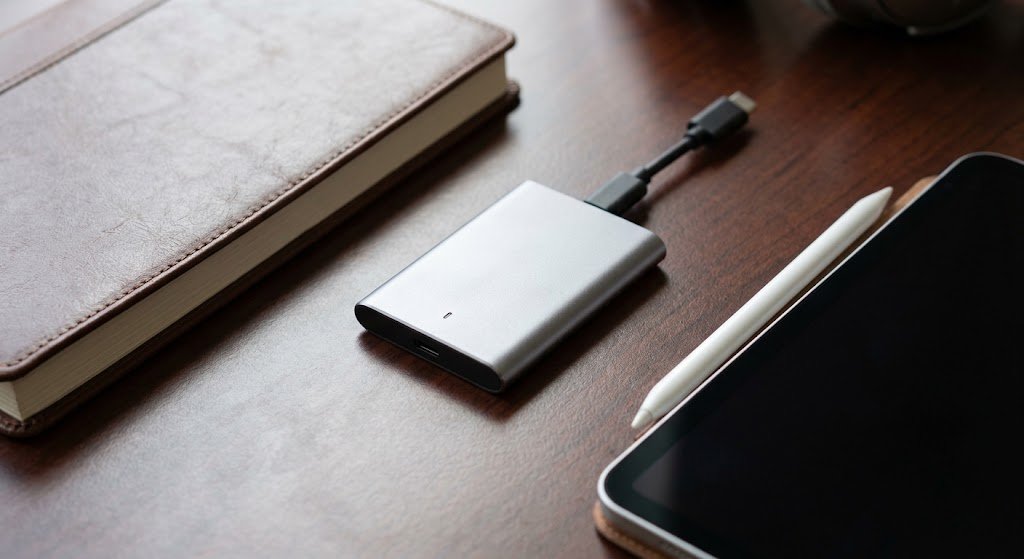
SSDs are also useful for backups. Keeping an extra copy of important files can protect you if your main computer has a problem.
USB-C Hubs and Docking Stations
Modern laptops often have fewer ports than older computers. A USB-C hub or docking station can solve this problem by giving you access to additional connections.
Depending on the model, you may be able to connect a monitor, keyboard, mouse, storage drive, memory card, or network cable through one device.
Cloud Gadgets and Connected Devices
The term cloud gadgets is often used for smart devices that connect to online services. Instead of working completely on their own, these devices can send or receive information through the internet.
For example, a smart security camera may allow you to view footage through a phone app while you are away from home. A smart speaker can connect to online services to answer questions, play music, or control other smart devices.
Cloud-connected devices can be useful because they allow access from different locations. However, they also require attention to privacy and account security.
How Cloud Gadgets Work
The basic idea is fairly simple. A connected device sends information through the internet to a cloud service. You can then access or manage that information through an app, computer, or another connected device.
For example:
Smart device → Internet → Cloud service → Phone or computer
This system can make it possible to control a device remotely or keep information synchronized between different devices.
Examples of Cloud Gadgets
Some common examples include:
- Smart security cameras
- Smart speakers
- Smart displays
- Smart home hubs
- Cloud-connected printers
- Network storage devices
- Smart doorbells
- Connected home appliances
Not every connected device offers the same cloud features, so it is important to check what service the manufacturer provides before buying.
Benefits of Cloud Gadgets
Cloud-connected devices can be convenient for several reasons. You may be able to check information remotely, receive notifications, synchronize data, and manage devices from one application.
However, convenience should not come at the cost of security. Always use a strong password, enable two-step verification when available, and keep the device software updated.
Professional Gadgets for Remote Work
Working from home has changed the way many people use technology. A laptop may be enough to get started, but the right accessories can make a home workspace much more comfortable.
An external monitor is useful if you regularly work with several documents or browser windows. You can keep one task on the laptop screen and another on the larger monitor.
A separate keyboard and mouse can also make long working sessions more comfortable. If you attend video meetings, a good webcam and microphone can improve the quality of your calls.
Other useful remote-work gadgets include:
- Wireless headphones
- USB-C hub
- Desk lamp
- External monitor
- Webcam
- Wireless keyboard
- Wireless mouse
- Portable SSD
- Power bank
You do not need to buy everything at once. Start with the devices that solve your biggest problems.
Gadgets for Business Professionals
Business professionals often need devices that help with communication, meetings, travel, and organization.
A reliable smartphone can keep you connected with clients and colleagues. A lightweight laptop is useful for presentations, documents, emails, and business software. A tablet can be helpful during meetings when you need to review documents quickly.
A portable projector can also be useful for presentations, although it may not be necessary for everyone. For people who travel often, a universal travel adapter and power bank can be more valuable.
The main goal should be convenience. A gadget is useful when it supports your work instead of creating another thing that you have to manage.
Professional Gadgets for Travel
Travel can be easier when your important devices are small, reliable, and easy to charge. Professionals who travel for meetings or business trips should think about what they really need before packing their bags.
A compact power bank is one of the simplest items to carry. Wireless headphones can make long journeys more comfortable, while a small laptop or tablet can handle work on the road.
A universal travel adapter is another useful item, especially when traveling internationally. A Bluetooth tracker can also help you keep track of luggage or other valuable items.
Before a trip, make sure your devices are charged and that you have the correct cables. It is also a good idea to keep important files backed up rather than storing the only copy on your laptop.
Smart Gadgets for Productivity
Smart gadgets can help with small parts of your daily routine. They are most useful when they reduce the number of simple tasks you have to remember.
For example, a smartwatch can show calendar reminders. Smart speakers can provide reminders or control compatible devices. Smart lights can be scheduled to turn on or off automatically.
Digital note-taking devices can also be useful for people who prefer writing down ideas during meetings. The purpose is not to fill your desk with smart devices. Instead, choose products that actually make your routine easier.
Sometimes a simple gadget is better than a smart one. If a basic device does the job well, there may be no reason to pay extra for features you will never use.
How to Choose the Right Professional Gadget
Buying a gadget should start with your needs rather than the latest trend. New products appear all the time, but that does not mean you need to upgrade every year.
Think About Your Main Need
First, ask yourself what problem you are trying to solve. Do you need better sound during meetings? More storage? Longer battery life? A larger screen?
Once you know the problem, it becomes easier to find the right product.
Check Compatibility
A gadget should work with the devices and software you already use. Check whether it supports your operating system and the connections you need.
For example, a USB-C accessory may not be useful if your computer does not have a compatible port.
Look at Battery Life
Battery life matters for portable devices. If you travel frequently, a gadget that needs constant charging can quickly become annoying.
Check the expected battery life and charging method before buying.
Think About Security
Security is especially important for smartphones, laptops, smart cameras, and cloud-connected products.
Look for regular software updates, strong account protection, and clear privacy settings. Avoid buying a connected device without understanding how it handles your data.
Consider Build Quality
A professional gadget may be used every day, so durability matters. A slightly more expensive device can sometimes be a better choice if it is built to last longer.
Check the Warranty
A warranty can provide extra protection if something goes wrong. Always check the warranty terms and what is covered before making a purchase.
Professional Gadgets vs. Regular Gadgets
The difference between professional and regular gadgets is not always clear. Many devices can be used for both work and personal activities.
A professional setup usually focuses more on reliability, productivity, connectivity, and security. A regular gadget may be bought mainly for entertainment or basic personal use.
For example, the same smartphone can be used to watch videos at home and manage business emails at work. The device itself does not change. The way it is used makes the difference.
This is why you should not focus too much on labels. Think about the features you actually need.
Common Mistakes When Buying Gadgets
One of the biggest mistakes is buying a device because it looks impressive instead of considering whether you will use its features.
Another common mistake is choosing the cheapest option without checking its quality. A low-cost gadget may seem like a good deal, but replacing it several times can cost more in the long run.
People also sometimes forget about compatibility. A product may have excellent features but still be a poor choice if it does not work properly with your current setup.
Other mistakes include:
- Ignoring battery life
- Forgetting about warranty
- Buying unnecessary features
- Not checking storage capacity
- Ignoring privacy settings
- Failing to back up important data
- Buying too many devices at once
A simple setup with a few useful gadgets can be better than a desk full of devices that rarely get used.
Are Professional Gadgets Worth It?
Professional gadgets can be worth the money when they solve a real problem. A reliable laptop, comfortable headset, portable storage drive, or useful smartwatch can make daily tasks easier.
However, you do not need to spend a large amount of money to create a good setup. The best approach is to buy based on your work and daily routine.
If a gadget saves you time, improves communication, protects your files, or makes regular tasks easier, it may be a good investment. If you are buying it only because it is new or popular, it may not be worth the cost.
The right gadget is the one you will actually use.
Frequently Asked Questions
What are professional gadgets?
Professional gadgets are electronic devices that help with work, communication, organization, travel, or productivity. They can include laptops, smartphones, tablets, headphones, smartwatches, storage devices, and other useful accessories.
What should be included in a list of gadgets for professionals?
A useful list can include laptops, smartphones, tablets, wireless headphones, smartwatches, power banks, portable SSDs, USB-C hubs, webcams, external monitors, and other devices based on the user’s type of work.
What are cloud gadgets?
Cloud gadgets are connected devices that use the internet and online services to store, receive, or manage information. Examples can include smart cameras, smart speakers, smart displays, and other connected devices.
Which gadgets are useful for remote work?
A laptop, external monitor, webcam, headset, keyboard, mouse, USB-C hub, and reliable internet connection can create a useful remote-work setup. You do not need every device; choose the ones that improve your particular workflow.
What gadgets should a business professional have?
A business professional may benefit from a reliable laptop, smartphone, wireless headphones, power bank, portable storage, and a tablet or other presentation device. The ideal setup depends on the person’s job and travel needs.
How do I choose the right professional gadget?
Start by identifying the problem you want the gadget to solve. Then check compatibility, battery life, build quality, security, warranty, and overall value. Avoid paying for features that you are unlikely to use.
Are expensive gadgets always better?
No. A higher price does not automatically mean a better gadget. A less expensive device can be the better choice if it provides the features you need and works reliably.
Conclusion
Professional gadgets can make work and everyday tasks easier, but you do not need a large collection of devices to benefit from technology. A few well-chosen gadgets can provide better communication, storage, organization, and productivity.
The best approach is to think about your actual needs before buying anything. A laptop may be the most important device for one person, while another may get more value from a tablet, smartwatch, headset, or portable SSD. Cloud-connected devices can also provide useful features, but privacy and security should always be considered.
Technology should make your routine simpler, not more complicated. Choose gadgets that solve real problems, work well with your existing devices, and provide value over time.