
If you want to make your outdoor space brighter without depending completely on traditional electricity, solar lighting is a practical option to consider. These lights use energy from the sun during the day and store it in a rechargeable battery for use after dark.
From gardens and pathways to patios, driveways, and home entrances, solar lights are available in many styles. Some provide soft decorative light, while others are designed for security and brighter illumination.
What I like about solar lights is their simple setup. In many cases, you can install them without running electrical wires across your yard. However, choosing the right type still matters because brightness, battery capacity, sunlight exposure, and weather resistance can affect performance.
In this guide, we will look at how solar lighting works, its different types, major benefits, installation tips, maintenance, and the important things to check before buying.
What Is Solar Lighting and How Does It Work?
Solar lighting is an outdoor or indoor lighting system that uses sunlight as its main energy source. A typical solar light has a small solar panel, rechargeable battery, LED light, and a light sensor.
During the day, the solar panel captures sunlight and converts it into electrical energy. The battery stores that energy so the light can use it later. When the surrounding area becomes dark, the sensor usually detects the change and switches the light on automatically.
The basic process is simple:
Sunlight → Solar Panel → Rechargeable Battery → LED Light
This makes solar lights convenient for outdoor areas where installing electrical wiring may be difficult or expensive.
Main Parts of a Solar Light
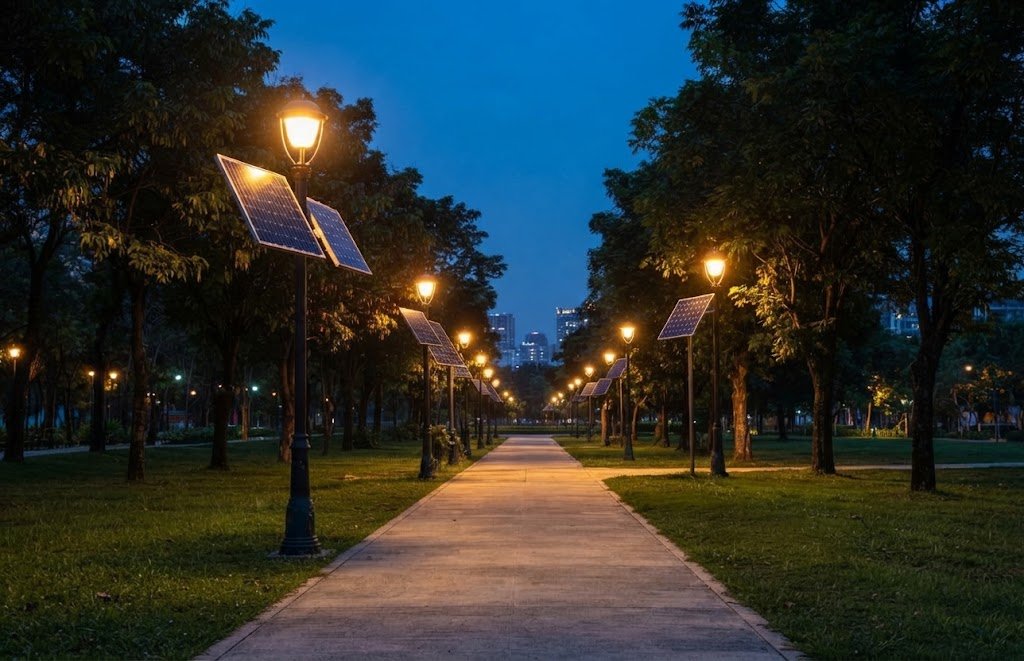
Most solar lights contain several important components:
- Solar panel: Collects sunlight and converts it into energy.
- Rechargeable battery: Stores energy for nighttime operation.
- LED bulb: Produces the light while using relatively little power.
- Light sensor: Helps the light turn on when it becomes dark.
- Motion sensor: Detects movement on compatible security lights.
- Housing: Protects internal components from outdoor conditions.
The quality of these components can make a noticeable difference in how well a solar light performs.
7 Popular Types of Solar Lighting
There are many types of solar lighting, and each one is designed for a slightly different purpose. Understanding these options can help you choose the right lights for your home or outdoor space.
1. Solar Power Outdoor Lights
Solar power outdoor lights are designed for areas around the home, including patios, driveways, walkways, porches, and entrances. They are available in different sizes and brightness levels.
Some models are mainly decorative, while others provide stronger illumination for practical purposes. Before installing them, think about how much light you actually need and where the sunlight will reach the panel during the day.
2. Motion Sensor Solar Lights
Motion sensor solar lights are particularly useful around entrances, garages, pathways, and other areas where you want light to activate when movement is detected.
Instead of staying fully illuminated throughout the night, a motion sensor model can remain off or operate at a lower level until movement is detected. The light then becomes brighter for a certain period.
This makes motion sensors useful for both convenience and outdoor security. When choosing one, check the detection range and adjustable settings because these features vary between models.
3. Solar Powered Light for Garden
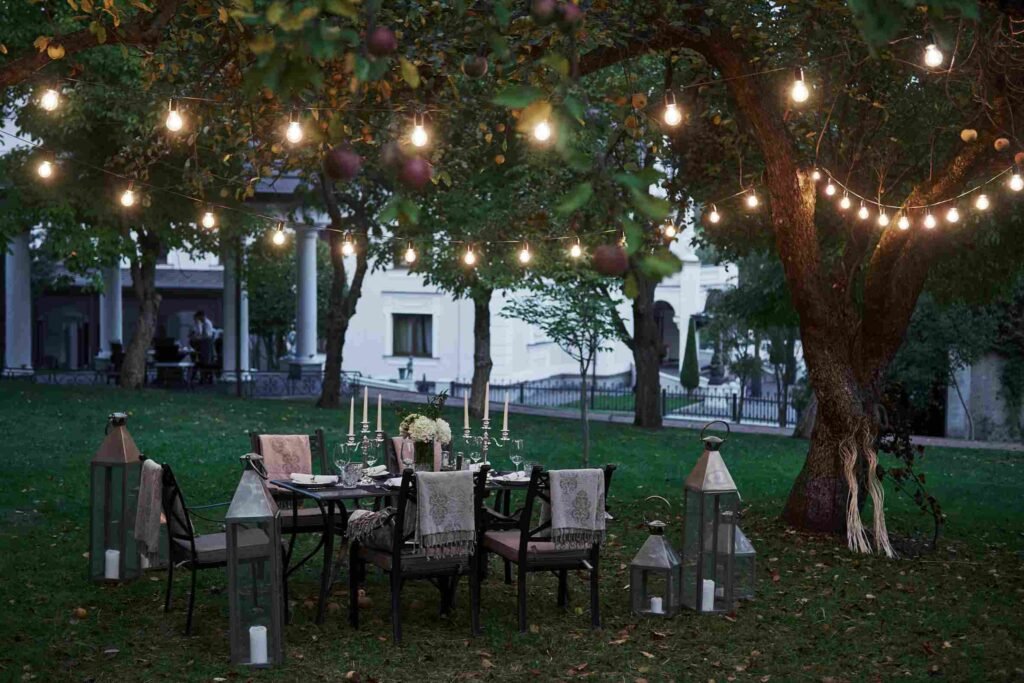
A solar powered light for garden can add both visibility and decorative appeal to an outdoor space. Garden lights can be placed beside paths, flower beds, plants, steps, or other landscaping features.
For a natural look, avoid placing too many lights close together. Instead, spread them across the garden and use them to highlight specific areas.
Soft lighting can create a relaxing atmosphere, while brighter lights may be more suitable for steps or pathways where visibility is important.
4. Waterproof Solar Lights
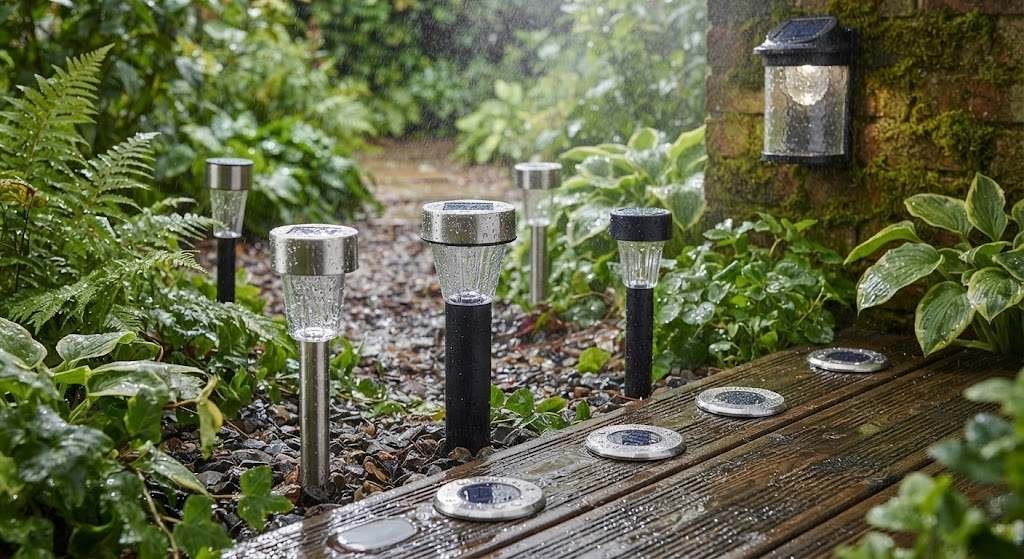
Outdoor lights are exposed to rain, humidity, dust, and changing temperatures, so waterproof solar lights can be a better choice for locations that experience regular weather exposure.
When shopping for outdoor lighting, look for information about water and dust resistance. An IP rating can help you understand how well a product is designed to resist environmental exposure.
However, waterproof does not mean that every light should be submerged in water. Always follow the manufacturer’s installation and usage instructions.
5. Solar Spot Light
A solar spot light is designed to direct light toward a specific object or area. You can use it to highlight a tree, wall, statue, sign, garden feature, or architectural detail.
Spotlights are useful when you do not want broad illumination across the entire yard. Instead, they allow you to focus attention on selected features.
Some models also allow you to adjust the direction of the light, making them more flexible for landscaping projects.
6. Solar LED Lamp
A solar LED lamp combines solar power with LED lighting technology. LEDs are commonly used in solar lights because they can provide illumination while consuming relatively little electrical energy.
These lamps are available in different shapes, sizes, brightness levels, and designs. Depending on the product, they may be suitable for gardens, patios, pathways, balconies, or other areas.
When choosing an LED lamp, check its brightness, battery capacity, operating time, and construction quality instead of focusing only on appearance.
7. Solar Panel Light
A solar panel light uses a solar panel to collect sunlight and power the lighting system. Some designs have the panel built directly into the light, while others use a separate panel connected to the light fixture.
A separate-panel design can be useful when the best location for the light does not receive enough sunlight. You can position the panel in a sunnier location while keeping the light where illumination is needed.
Benefits of Solar Lighting
There are several reasons homeowners choose solar lighting for outdoor areas.
Uses Renewable Energy
Solar lights collect energy from sunlight rather than relying directly on household electricity. This makes them an attractive option for people looking to use renewable energy for outdoor illumination.
Easy Installation
Many solar lights can be installed without connecting them to household electrical wiring. This can make installation easier, especially in gardens, yards, pathways, and other outdoor locations.
Lower Operating Costs
Once installed, solar lights generally do not require the same ongoing electricity supply as traditional wired lights. Their actual performance and savings depend on the product, sunlight conditions, battery, and how often the lights operate.
Automatic Operation
Many models turn on automatically when it gets dark and switch off or reduce their operation during daylight. This means you do not always need to remember to turn outdoor lights on and off.
Flexible Placement
Because many solar lights do not require a connection to household wiring, you can place them in areas where running cables would be inconvenient.
Useful During Power Outages
Solar-powered outdoor lights can continue operating independently of your home’s normal electrical supply, provided their batteries have received enough charge.
Where Can You Use Solar Lighting?
One of the biggest advantages of solar lighting is the variety of places where it can be used.
Garden
Use solar lights around flower beds, plants, trees, and decorative features.
Walkways
Pathway lighting can improve visibility around walking areas after sunset.
Driveway
Brighter outdoor lights can help illuminate driveways and entrances.
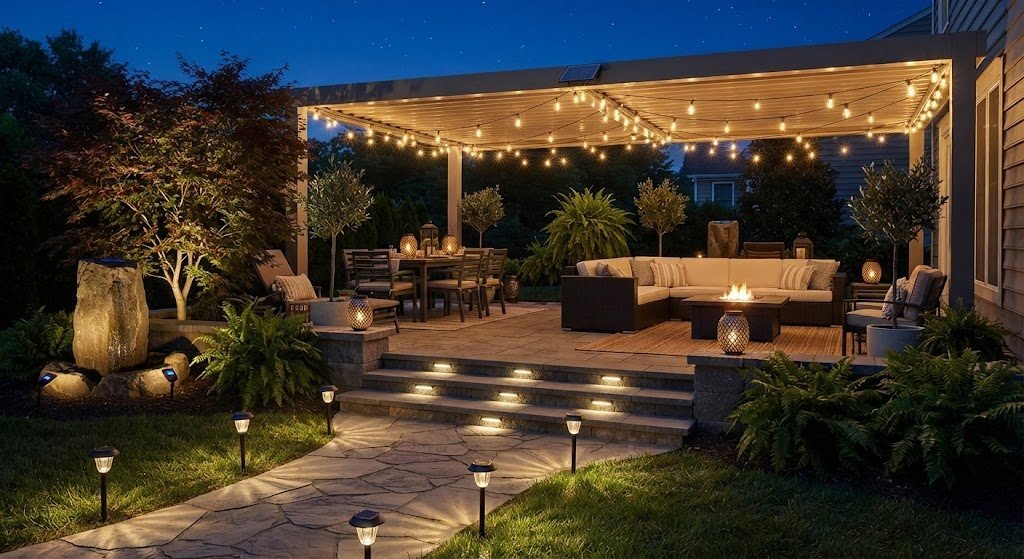
Patio
Decorative solar lights can create a comfortable atmosphere for evening gatherings.
Porch and Entrance
Solar lights can provide useful illumination around doors and entry points.
Backyard
Use a combination of spotlights, wall lights, or decorative fixtures depending on your needs.
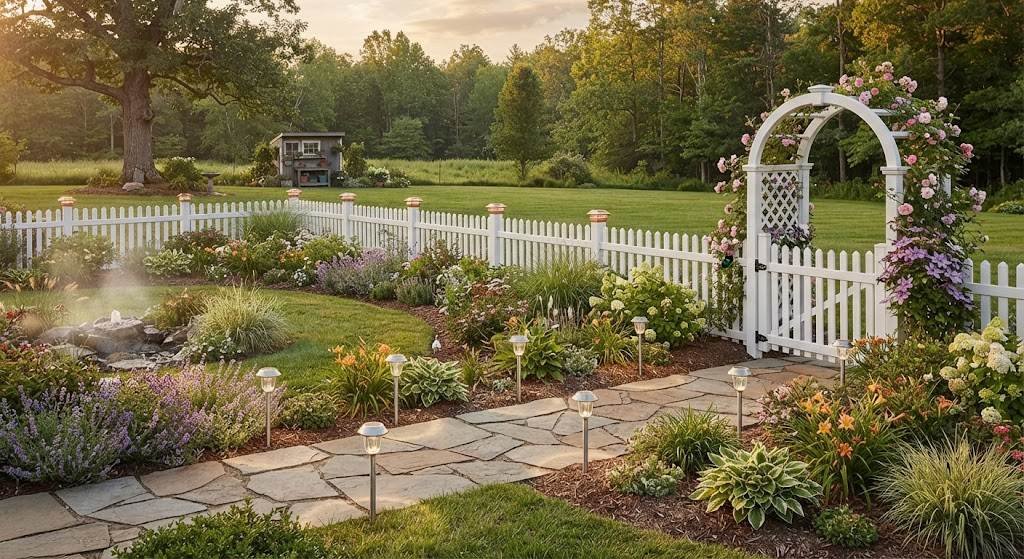
Fence and Landscaping
Small solar fixtures can highlight fences, borders, and landscaping details without requiring long electrical cables.
How to Choose the Right Solar Lighting
Choosing solar lighting should involve more than simply selecting the cheapest or brightest product. Consider the following factors before making a purchase.
Check Brightness
Brightness is often measured in lumens. A decorative garden light may need less brightness than a security light, so choose according to the purpose.
Consider Battery Capacity
The battery determines how much stored energy is available after sunset. A larger or better-quality battery may provide longer operation, but performance also depends on charging conditions and the light’s power requirements.

Look at Solar Panel Quality
The panel needs adequate sunlight to charge the battery effectively. Check whether the installation location receives enough direct sunlight during the day.
Check Weather Resistance
For outdoor applications, choose a light designed to handle the weather conditions in your area. This is especially important for locations exposed to rain and moisture.
Think About Motion Sensors
If you need lighting for an entrance, garage, or security area, a motion sensor can be more useful than a light that remains at full brightness throughout the night.
Check Runtime
Look at the manufacturer’s stated operating time, but remember that actual runtime can vary depending on sunlight, temperature, battery condition, and usage settings.
How to Install Solar Lighting Correctly
Correct installation can have a major effect on performance.
First, choose a location where the solar panel can receive sufficient sunlight. Avoid placing the panel underneath trees, roof overhangs, or structures that create heavy shade.
Next, position the light where it can illuminate the intended area without being blocked by plants or other objects. Secure the fixture properly so that wind and weather do not easily move it.
If the model has an adjustable solar panel, position it to receive good sunlight during the day. After installation, allow the battery to charge according to the manufacturer’s instructions.
Finally, test the light after dark to make sure it covers the area you intended to illuminate.

How to Maintain Solar Lights for Better Performance
Good maintenance can help keep your solar lighting working properly.
Clean the solar panel regularly because dust, dirt, leaves, and other debris can reduce the amount of sunlight reaching the panel.
Keep the light cover clean as well so the LED can produce its intended illumination. Check the fixture occasionally for cracks, loose parts, corrosion, or other damage.
If the light becomes noticeably dimmer or stops working for long periods, check whether the panel is receiving enough sunlight and whether the rechargeable battery needs attention.
During seasons with shorter daylight hours or frequent cloudy weather, charging may be reduced, which can affect nighttime runtime.

Solar Lighting vs. Traditional Outdoor Lighting
Both solar and traditional outdoor lighting have their own applications.
| Feature | Solar Lighting | Traditional Outdoor Lighting |
| Energy source | Sunlight | Electricity |
| Wiring | Often minimal | Usually required |
| Installation | Generally simple | Can require electrical work |
| Placement | Flexible | Depends on wiring |
| Automatic operation | Common | Depends on system |
| Maintenance | Panel and battery care | Bulb, wiring, and fixture care |
The right choice depends on the location, lighting purpose, available sunlight, installation requirements, and personal preferences.
Are Solar Lights Worth Using?
For many outdoor applications, solar lights can be a convenient way to add illumination without running electrical cables throughout a yard or garden.
They can be particularly useful for pathways, gardens, driveways, patios, entrances, and decorative landscaping. However, they are not equally suitable for every location.
A heavily shaded area may not provide enough sunlight for reliable charging. Similarly, someone who needs extremely bright, continuous illumination may need to compare solar options with other lighting systems.
Before buying, consider the amount of sunlight available, required brightness, expected runtime, weather exposure, and the purpose of the light.
Frequently Asked Questions About Solar Lighting
How does solar lighting work?
Solar lights collect sunlight through a solar panel and store the resulting energy in a rechargeable battery. The stored energy powers the LED light after dark.
Do solar lights work on cloudy days?
They can still charge in cloudy conditions, although charging may be less effective than on a sunny day. This can reduce nighttime operating time.
How long do solar lights stay on?
Runtime varies by model and depends on battery capacity, sunlight received, lighting mode, and weather conditions. Always check the manufacturer’s stated runtime.
Do solar lights need direct sunlight?
Most solar lights perform better when their panels receive adequate direct sunlight. Heavy shade can reduce charging and nighttime performance.
Are waterproof solar lights safe in rain?
Outdoor-rated lights designed to resist water can generally handle their intended weather exposure. Check the product’s water-resistance rating and follow its instructions.
How long do rechargeable solar lights last?
The overall lifespan depends on the quality of the light, battery, solar panel, LED, and outdoor conditions. Batteries may eventually need replacement even when the rest of the fixture still works.
Can solar lights work in winter?
Yes, but shorter daylight hours, snow, clouds, and reduced sunlight can affect charging and runtime. Keeping the solar panel clean and unobstructed can help.
Conclusion
Solar lighting offers a simple way to bring light to gardens, pathways, patios, driveways, entrances, and other outdoor spaces while using energy collected from the sun. With options such as motion sensor lights, garden lights, spotlights, LED lamps, and panel-based systems, there is a style for many different needs.
The key is to choose according to your actual requirements. Pay attention to brightness, battery capacity, solar panel quality, runtime, weather resistance, and installation location. Most importantly, make sure the solar panel receives enough sunlight during the day.
When properly selected, installed, and maintained, solar lighting can provide convenient outdoor illumination while reducing the need for traditional electrical connections.