
Electricity costs are increasing, and many homeowners are looking for smarter ways to power their homes without depending entirely on traditional electricity. Solar energy has become a popular option because it uses sunlight to generate clean and renewable power. One practical way to get started is by choosing a reliable solar plate kit that matches your household’s electricity requirements.
Whether you want to run lights, fans, televisions, refrigerators, or other appliances, the right solar equipment can help you manage your energy consumption. However, selecting a suitable system requires more than simply purchasing a few solar panels. You also need to understand inverters, batteries, installation requirements, and overall system capacity.
In this guide, we will explore how solar kits work, their important components, different residential solar options, and seven useful tips for choosing the right system. By understanding these factors, you can make a more confident purchasing decision and enjoy the long-term benefits of solar energy.
Table of Contents
What Is a Solar Plate Kit?
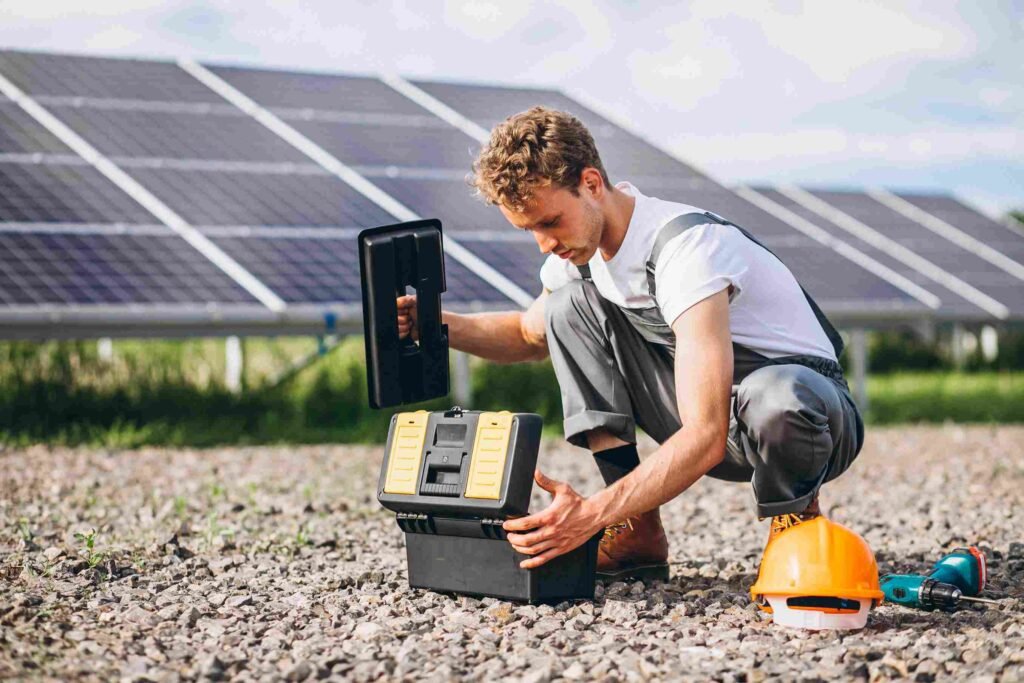
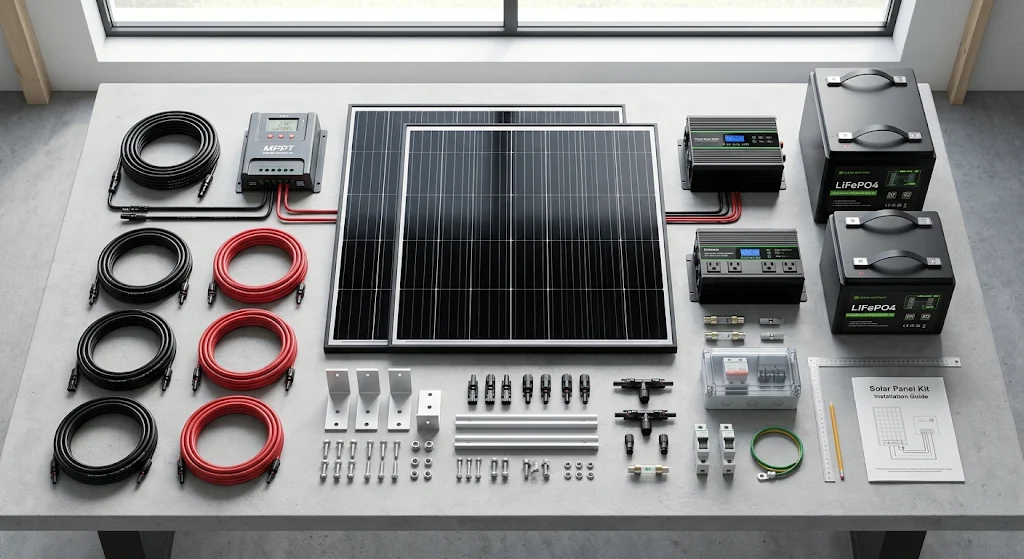
A solar plate kit is a collection of equipment designed to generate electricity from sunlight. Depending on the package, it may include solar panels, an inverter, batteries, mounting structures, electrical cables, and other necessary accessories.
The solar panels contain photovoltaic cells that capture sunlight and convert it into direct current (DC) electricity. An inverter then converts this electricity into alternating current (AC), which most household appliances use.
Some basic packages include only panels and essential wiring, while complete packages may also provide batteries and an inverter. Therefore, buyers should always check what is included before making a purchase.
A solar plate kit can be useful for homeowners who want to reduce their dependence on conventional electricity. It can also provide an alternative power source in areas where electricity interruptions are common.
The most suitable option depends on your daily electricity consumption, available roof space, budget, and whether you need battery backup.
How Does a Solar Plate Kit Work?
Solar energy systems work by capturing sunlight and converting it into electricity through photovoltaic technology. Although the process may sound complicated, the basic operation is relatively simple.
First, solar panels are installed in an area that receives sufficient sunlight. When sunlight reaches the photovoltaic cells, the cells generate DC electricity.
This electricity travels through electrical wiring to an inverter. The inverter converts DC electricity into AC electricity so that household appliances can use it.
If your system includes batteries, excess electricity can be stored for later use. This stored energy may help power essential appliances when sunlight is unavailable, depending on the battery capacity and system configuration.
A sunlight solar system follows the same basic principle: capturing available sunlight and converting it into usable energy.
The amount of electricity generated depends on several factors, including panel capacity, sunlight exposure, weather conditions, installation angle, and shading.
This is why proper system planning is important. Even high-quality solar panels may produce less electricity if they are installed in a shaded location.
What Components Are Included in a Solar Panel Kit?
Before purchasing a solar panel kit, it is important to understand its main components. Each part performs a different function, and all essential equipment must work together to provide reliable electricity.
1. Solar Panels
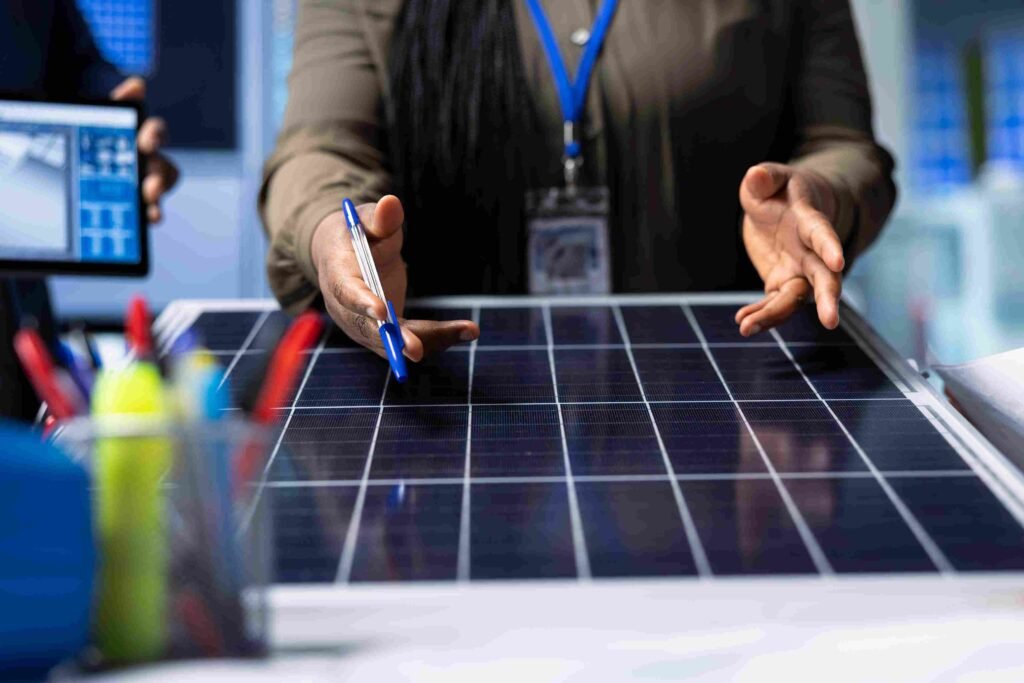
Solar panels are the main components responsible for capturing sunlight and generating electricity. They contain photovoltaic cells that convert solar energy into DC electricity.
Panels are available in different capacities and technologies. Monocrystalline panels are commonly selected for residential installations because they generally offer higher efficiency than many traditional alternatives.
When comparing panels, check their wattage, efficiency, physical dimensions, performance specifications, and product warranty.
2. Solar Inverter
A solar inverter converts the DC electricity produced by solar panels into AC electricity for household use.
Different inverters are designed for different system configurations. Some work with grid-connected systems, while others support battery storage or hybrid operation.
Choosing a suitable inverter is important because its capacity should match the planned solar installation and household requirements.
3. Solar Batteries
Solar batteries store electricity for use when solar panels are not generating enough power.
For example, homeowners may use stored electricity during nighttime or power interruptions. Battery capacity determines how much energy can be stored.
Lithium-ion and lead-acid batteries are two common options, although their prices, maintenance requirements, efficiency, and lifespans differ.
4. Mounting Structures and Wiring
Mounting structures keep solar panels securely positioned on rooftops or other suitable surfaces.
Electrical cables, connectors, protective devices, and mounting accessories help connect the system safely.
These components should not be overlooked because poor-quality wiring or unsuitable mounting equipment can affect system performance and safety.
Different Types of Solar Systems for Home
Not every household has the same electricity requirements. Some homeowners want to reduce their electricity bills, while others need backup power during outages.
Understanding the available solar systems for home use can help you select an appropriate solution.
1. On-Grid Solar Systems
An on-grid solar system is connected to the traditional electricity grid.
During sunny hours, solar panels generate electricity that can be used by household appliances. Depending on the local utility rules and system configuration, excess electricity may be exported to the grid.
One advantage of this system is that it generally does not require batteries. This can reduce the initial equipment cost.
However, standard grid-connected systems usually shut down during a grid outage for safety reasons unless they include suitable backup equipment.
2. Off-Grid Solar Systems
An off-grid solar system operates independently of the traditional electricity grid.
It generally includes solar panels, an inverter, and battery storage. The batteries store electricity generated during sunny periods so that it can be used later.
This type of setup may be suitable for remote properties or locations where grid electricity is unavailable or unreliable.
However, proper planning is essential because the system must generate and store enough electricity to meet household requirements.
3. Hybrid Solar Systems
A hybrid solar system combines solar panels, battery storage, and a connection to the electricity grid.
It can use solar energy during the day, store additional electricity in batteries, and draw power from the grid when necessary.
Hybrid systems offer greater flexibility because homeowners can use stored electricity during certain outages, provided the system is designed with backup functionality.
Although the initial investment may be higher, this configuration can be useful for households that want both solar savings and backup power.

7 Powerful Tips for Choosing the Best Solar Plate Kit
Choosing the right equipment can make a significant difference in system performance and long-term value. Consider these seven important factors before purchasing.
A well-designed solar plate kit should balance panel capacity, inverter performance, and battery requirements to provide reliable electricity for your home.
1. Calculate Your Household Electricity Requirements
Start by understanding how much electricity your home consumes every day.
Make a list of appliances such as fans, lights, refrigerators, televisions, air conditioners, and washing machines.
Check their wattage and estimate how many hours each appliance operates daily. This will help you calculate your approximate electricity consumption.
For example, a household that mainly uses lights, fans, and a refrigerator will have different requirements from a home that regularly operates multiple air conditioners.
Do not purchase equipment simply because it has a higher wattage rating. Your system should be designed around your actual electricity needs.
2. Check Solar Panel Efficiency
Solar panel efficiency determines how effectively a panel converts sunlight into electricity.
This factor becomes particularly important when your roof has limited space. Higher-efficiency panels can generate more electricity from a similar amount of available surface area.
Compare the efficiency ratings, power output, temperature performance, and warranties of different products.
Also, remember that real-world performance depends on installation conditions, temperature, dust, and shading.

3. Choose a Reliable Inverter
The inverter is one of the most important components of a solar energy system.
A suitable inverter should support the planned panel capacity and household electricity requirements.
Before purchasing, compare inverter efficiency, safety features, compatibility, warranty coverage, and available monitoring options.
You should also consider whether you need an on-grid, off-grid, or hybrid inverter.
Buying an inverter without checking its compatibility with your solar panels and batteries can create unnecessary problems later.
4. Consider Battery Storage
Battery storage is important if you want to use solar electricity after sunset or during electricity interruptions.
However, not every household needs batteries. Grid-connected homeowners who primarily want to reduce daytime electricity consumption may prefer a system without battery storage.
If backup power is important, calculate how many appliances you want to operate and how long you need them to run.
Choose battery capacity according to these requirements rather than selecting the largest available battery.
Also, compare battery chemistry, usable capacity, charging performance, warranty, and expected lifespan.
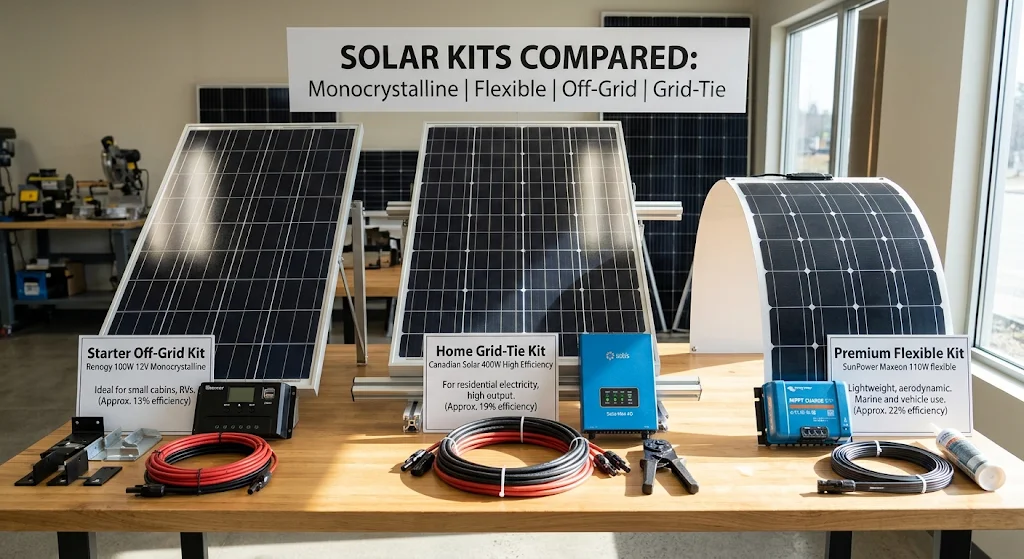
5. Compare Different Solar Panel Kits
Never purchase the first package you find without comparing other options.
Different manufacturers offer different panel capacities, inverter specifications, battery configurations, and warranty conditions.
When comparing a solar panel kit, check whether the package includes all the equipment needed for installation.
Some packages advertise attractive prices but exclude important accessories, mounting structures, or installation services.
Reading product specifications carefully can help you avoid unexpected expenses.
6. Check Solar Installation Requirements
Proper solar installation is essential for getting good performance from your equipment.
Before installing panels, check the available roof space, sunlight exposure, roof condition, and possible shading from trees or nearby buildings.
The installation angle and direction should be selected according to your location and site conditions.
It is also important to use suitable mounting structures and properly rated electrical protection equipment.
Hiring a qualified installer can help reduce wiring mistakes, equipment damage, and potential electrical hazards.
7. Compare Prices and Warranties
Price is an important consideration, but the cheapest option is not always the best investment.
Compare product quality, installation charges, inverter specifications, battery performance, and after-sales support.
Ask suppliers about separate warranties for solar panels, inverters, and batteries because warranty periods and coverage can differ.
A reliable supplier should provide clear information about equipment specifications and installation costs.
Taking time to compare different offers can help you select a system that provides better value over its expected operating life.
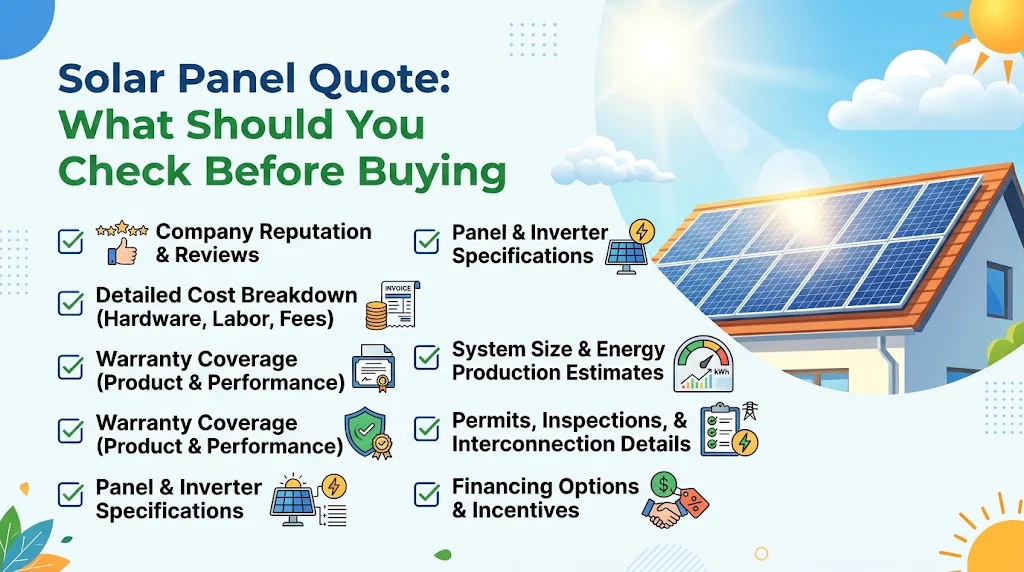
Solar Panel Quote: What Should You Check Before Buying?
Getting a solar panel quote is an important step before purchasing a complete system.
A detailed quotation should explain the equipment being supplied, total system capacity, installation charges, and any additional expenses.
Start by checking the number and wattage of solar panels. Next, review the inverter model, battery capacity, mounting structures, cables, and electrical protection equipment.
You should also ask whether the quoted price includes transportation, installation, testing, and any required electrical upgrades.
Do not compare quotations based on price alone. Two suppliers may offer systems with similar advertised capacities but completely different equipment quality.
Ask for written warranty details and clarify whether maintenance or after-sales services are included.
Comparing at least two or three detailed quotations can help you understand the market and avoid paying for equipment you do not need.
Solar Installation: Important Things to Know
A successful solar installation starts with proper site assessment and system planning.
First, an installer should inspect your roof and identify an appropriate location for the solar panels. The selected area should receive sufficient sunlight and have minimal shading throughout the day.
Next, the installer should determine the correct panel arrangement, inverter location, cable routing, and electrical protection requirements.
The mounting structure must be suitable for the roof and local weather conditions. All electrical connections should follow applicable safety standards and manufacturer instructions.
After installation, the system should be tested to confirm that the panels, inverter, batteries, and protection devices are working correctly.
Homeowners should also receive basic instructions about system monitoring, cleaning, maintenance, and safety.
Choosing experienced professionals is important because even quality equipment can perform poorly when installed incorrectly.
Benefits of Installing a Solar Plate Kit at Home
Solar energy offers several advantages for residential properties. One of the biggest benefits is the opportunity to reduce electricity expenses by generating some or all of your household electricity during suitable sunlight conditions.
Here are some additional advantages:
1. Lower Electricity Bills: Generating your own electricity can reduce the amount of power you need to purchase from the utility company.
2. Renewable Energy: Solar panels use sunlight, which is a naturally replenished energy source.
3. Reduced Grid Dependence: A properly designed system can reduce your reliance on conventional electricity.
4. Backup Power Options: Systems equipped with suitable batteries and backup inverters can provide electricity during certain grid interruptions.
5. Long-Term Value: Quality solar panels can operate for many years when properly installed and maintained.
6. Flexible System Sizes: Homeowners can choose different system capacities depending on their budgets and electricity requirements.
The actual benefits depend on equipment quality, installation conditions, electricity prices, and local regulations.
Is a Solar Plate Kit Worth Buying?
A solar energy system can be a worthwhile investment for homeowners who want to reduce their dependence on traditional electricity.
However, the right decision depends on your electricity consumption, available sunlight, installation costs, and expected savings.
Before purchasing, calculate your energy requirements and compare different equipment options. Also, consider whether you need battery backup or a grid-connected system.
A carefully selected solar plate kit can provide a practical way to use renewable energy while managing household electricity expenses.
The key is to choose a system that meets your needs instead of paying extra for unnecessary capacity.
Frequently Asked Questions (FAQs)
1. What Is Included in a Solar Plate Kit?
A typical package may include solar panels, an inverter, electrical cables, mounting structures, and connectors. Some packages also include batteries and protection equipment.
2. How Many Solar Panels Are Needed for a Home?
The required number depends on household electricity consumption, panel wattage, available sunlight, and system capacity. A professional assessment can help determine the correct number.
3. Can a Solar Plate Kit Run Household Appliances?
Yes. A properly sized system can operate appliances such as lights, fans, refrigerators, televisions, and other compatible electrical devices.
4. Do Solar Panels Work on Cloudy Days?
Yes. Solar panels can generate electricity on cloudy days, but their output is generally lower than during clear, sunny conditions.
5. How Long Does a Residential Solar System Last?
Solar panels commonly have performance warranties extending around 25 years or more, depending on the manufacturer. Inverters and batteries may have different expected lifespans and warranty periods.
Conclusion
Choosing the right solar equipment requires careful planning, product comparison, and an understanding of your household electricity needs. From checking panel efficiency to selecting a suitable inverter and battery, every component plays an important role in system performance.
A reliable solar plate kit can help homeowners use renewable energy, manage electricity expenses, and reduce their dependence on conventional power sources. Before making your final decision, compare product specifications, request detailed quotations, and work with qualified installation professionals.
With the right system and proper maintenance, solar energy can become a valuable part of your home’s long-term electricity plan.