
AI is changing the way businesses handle daily work. Instead of using AI only to answer questions or create content, companies can now use AI agents to perform tasks, connect with software, and support complete workflows. This is where AI agents integration becomes important.
When an AI agent is connected with business tools, databases, customer platforms, or communication systems, it can do more than simply provide information. It can understand a task, access the right data, make decisions within defined limits, and complete actions.
In this guide, I will explain how AI agents integration works, where businesses can use it, how AI agent management works, and why agentic AI can play an important role in organizational transformation.
What Is AI Agents Integration?
AI agents integration means connecting AI agents with existing software, business systems, databases, APIs, and workflows so they can perform useful tasks within a real working environment.
A basic AI chatbot may answer a question, but an integrated AI agent can potentially take action. For example, a customer support agent could read information from a customer relationship management system, check an order status, and help create a support ticket.
The main idea is simple: the AI agent becomes connected to the tools it needs to complete a task.
This can make AI more useful because businesses do not have to replace every system they already use. Instead, AI agents can work with existing technology when suitable integrations are available.

How Does AI Agents Integration Work?
The exact process depends on the business and technology being used, but the general workflow is fairly simple.
1. The Agent Receives a Task
A user, employee, customer, or automated system gives the AI agent a request.
For example, a sales employee might ask the agent to find new leads and prepare a summary.
2. The Agent Understands the Request
The AI agent processes the request and determines what needs to be done. It may break a larger task into smaller steps.
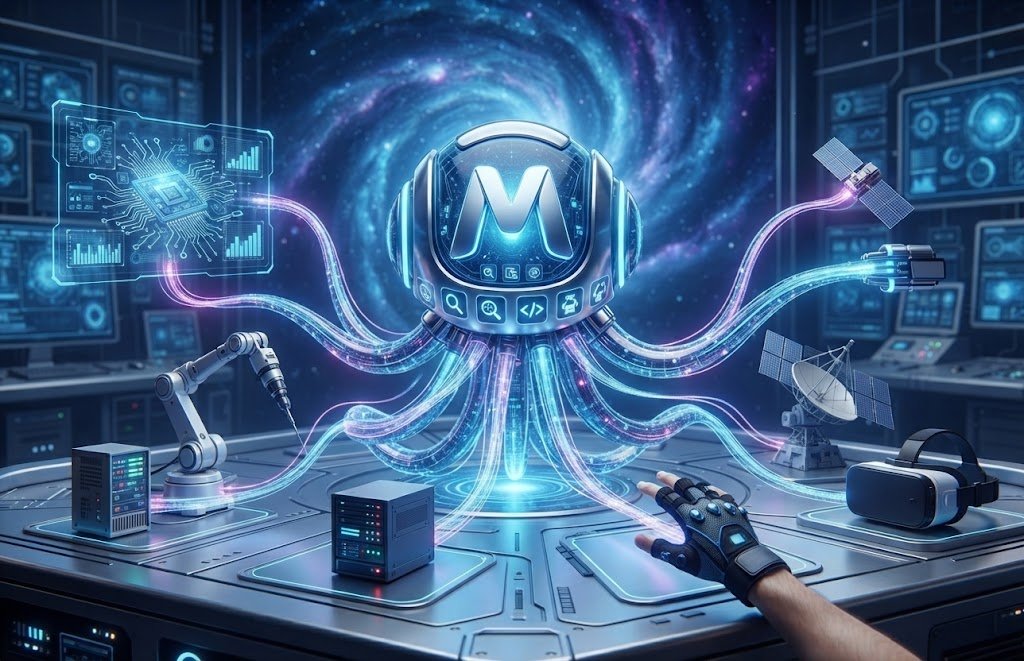
3. The Agent Connects With Required Tools
The agent can use APIs, databases, CRM platforms, document systems, or other connected applications, depending on its permissions.
4. The Agent Performs the Task
After accessing the necessary information, the agent can perform an action or provide a result.
5. The Result Is Reviewed
Businesses can use monitoring and human oversight to check whether the agent performed the task correctly.
This workflow allows AI to move from simply generating responses toward assisting with practical business operations.
Key Components of AI Agent Integration
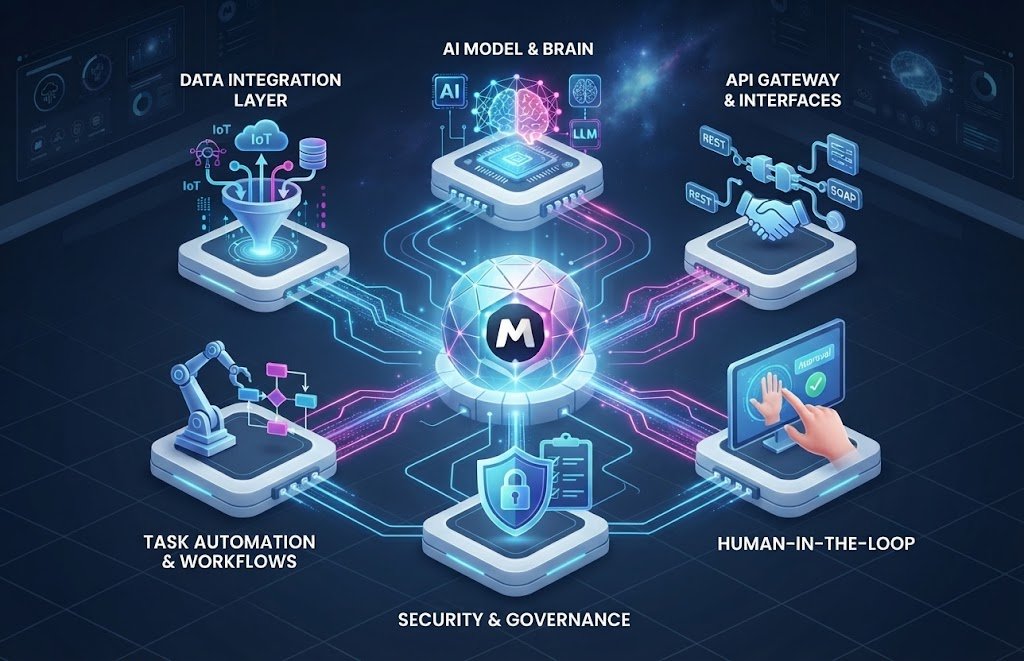
Several components usually work together to make an integrated AI agent useful.
AI model: This provides the reasoning and language capabilities needed to understand requests.
APIs: APIs allow the agent to communicate with different software applications.
Business data: Agents may need access to relevant company information to complete tasks.
Workflow automation: Automation connects the agent’s decisions with specific business processes.
Security controls: Permissions help determine what an agent can access or change.
Monitoring: Businesses need ways to review activity, errors, and performance.
These components should be planned together rather than treating the AI agent as a standalone tool.
Why Is AI Agents Integration Important for Businesses?
One major reason businesses are exploring integrated AI agents is that many daily workflows involve repetitive tasks.
An employee may need to move information between multiple systems, respond to similar questions, prepare reports, or check data before taking the next step. An integrated agent can assist with some of these processes.
Reduce Repetitive Work
AI agents can handle suitable repetitive tasks, allowing employees to spend more time on work that requires judgment, creativity, or direct customer interaction.
Improve Workflow Speed
When connected systems can communicate efficiently, employees may spend less time switching between applications and searching for information.
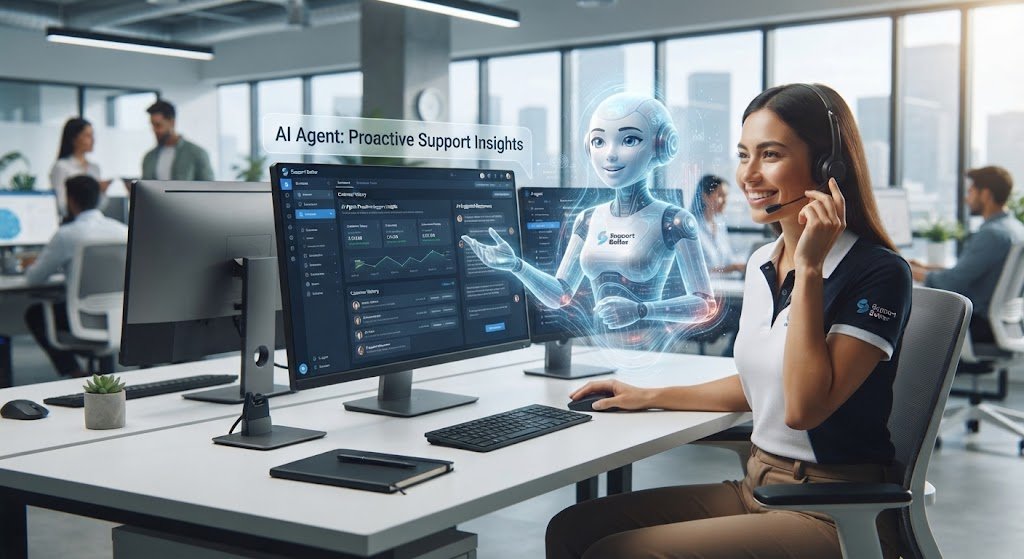
Support Better Customer Service
An integrated support agent can access relevant customer information and provide faster assistance within its approved capabilities.
Connect Existing Systems
Businesses often use multiple software platforms. Integration can allow an AI agent to work across selected systems instead of forcing employees to manage every step manually.
Support Scalable Operations
As a business grows, repetitive work can increase. Carefully designed AI workflows can help organizations handle more activity without automatically increasing every manual process.
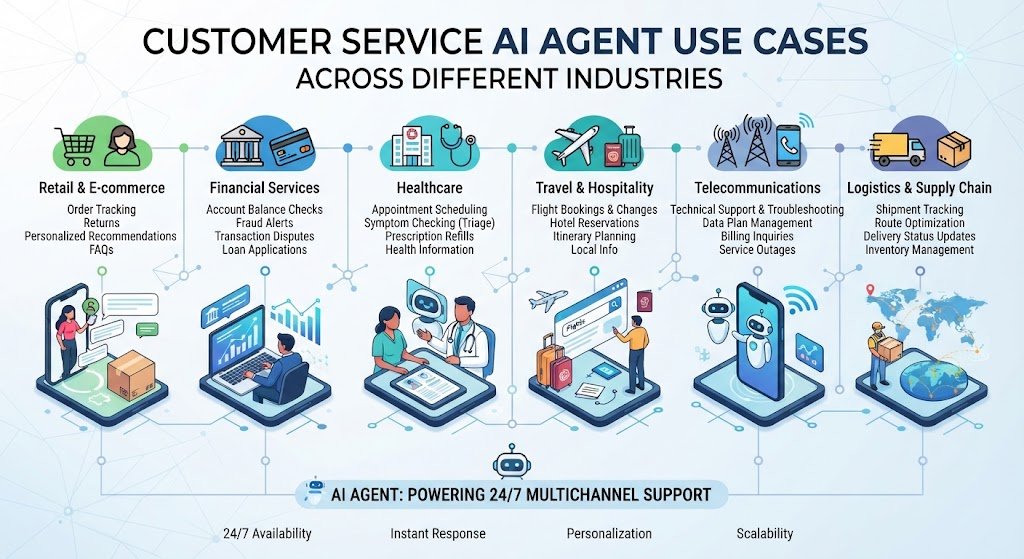
AI Agent Use Cases Across Different Industries
There are many ai agent use cases, and the right application depends on the organization’s needs.
Customer Service
AI agents can assist with common customer questions, ticket classification, order information, and basic support workflows.
For example, an agent could identify the type of customer request and send it to the appropriate workflow or support team.
Sales
Sales teams can use agents to organize lead information, summarize customer interactions, prepare follow-up drafts, and update approved CRM fields.
This can help sales employees spend less time on administrative tasks.
Human Resources
HR teams can use AI agents for employee FAQs, onboarding information, document assistance, and certain administrative workflows.
Sensitive employee information should still be protected with appropriate access controls.
Finance
AI agents can assist with tasks such as organizing financial documents, extracting information, preparing summaries, and supporting invoice workflows.
Important financial decisions should have appropriate human review.
IT Operations
IT teams can use agents to help categorize support requests, search technical documentation, monitor certain processes, and guide employees through common solutions.
The agent’s permissions should be carefully limited when it has access to important systems.
AI Marketing Agents: Smarter Marketing Workflows
AI marketing agents are designed to assist with different marketing activities. Their role can range from research and planning to campaign support and customer engagement.
For example, a marketing agent could collect information from approved sources, organize audience data, summarize campaign results, or assist with content planning.
AI marketing agents can also work with marketing platforms and CRM systems when suitable integrations are available.
However, marketers should not assume that every AI-generated recommendation is correct. Human review remains important for brand messaging, customer communication, and strategic decisions.
The biggest value comes from using AI to support marketing teams rather than removing human judgment from the process.

AI Agent Management: How to Keep Agents Under Control
As organizations deploy more agents, ai agent management becomes increasingly important.
An organization may eventually have several agents performing different jobs. Without proper controls, it can become difficult to understand what each agent is doing, what information it can access, and how well it is performing.
What Does AI Agent Management Include?
AI agent management can include:
- Defining agent responsibilities
- Managing permissions
- Monitoring activity
- Tracking performance
- Reviewing outputs
- Managing connected tools
- Updating workflows
- Maintaining human oversight
Each agent should have a clearly defined purpose.
For example, a customer support agent may be allowed to read order information but not change financial records. A marketing agent may be able to analyze campaign data but require approval before publishing anything.
This type of separation can reduce unnecessary risks.

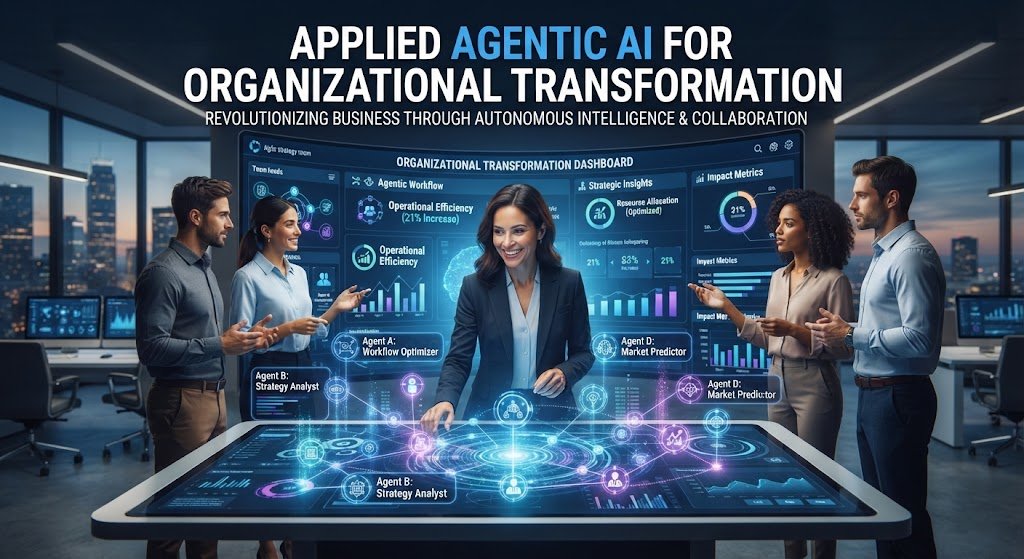
Applied Agentic AI for Organizational Transformation
The concept of applied agentic AI for organizational transformation goes beyond adding a chatbot to a website.
It involves thinking about how AI agents can support complete business processes.
For example, instead of using separate tools for customer requests, data collection, reporting, and follow-up, an organization could examine whether connected AI workflows can coordinate parts of these processes.
This may require changes to:
- Business workflows
- Employee responsibilities
- Data management
- Software architecture
- AI governance
- Internal training
Organizational transformation does not happen simply because a company adopts AI. Businesses need to identify where AI can create practical value and redesign workflows carefully.
Challenges of AI Agents Integration
Although integrated AI agents can be useful, businesses should understand the challenges before deployment.
Data Security
Agents may need access to company or customer information. Poorly designed permissions can create unnecessary security risks.
Integration Complexity
Different software platforms may use different APIs, data formats, and access systems. Connecting them can require technical work.
Incorrect Outputs
AI systems can make mistakes. An agent should not automatically be trusted with every decision, especially when an error could have serious consequences.
Cost
AI models, software integrations, infrastructure, monitoring, and maintenance can create ongoing costs.
Employee Adoption
Employees need to understand how the new workflow operates and when they should review or override an AI agent.
Governance
Organizations need clear rules for permissions, data usage, monitoring, and human approval.
How to Successfully Integrate AI Agents Into a Business
A practical approach is to start small instead of trying to automate everything at once.
Step 1: Identify a Suitable Workflow
Look for repetitive tasks with clear inputs and outputs.
Step 2: Define the Agent’s Role
Decide exactly what the agent should and should not do.
Step 3: Choose Required Integrations
Identify the CRM, database, communication platform, or other software the agent needs.
Step 4: Set Permissions
Give the agent only the access necessary for its assigned task.
Step 5: Test the Workflow
Run the agent in a controlled environment and look for errors or unexpected behavior.
Step 6: Add Human Review
Keep human approval for important actions where appropriate.
Step 7: Monitor and Improve
Track performance and update the workflow as the organization’s needs change.
This gradual approach can make implementation easier to manage.
Future of AI Agents Integration
AI agents are likely to become increasingly connected with business software and digital workflows.
Instead of using AI only as a question-and-answer tool, organizations may use multiple specialized agents that handle different tasks while working with shared systems.
Multi-agent workflows, improved software integrations, stronger security controls, and better monitoring could make these systems more practical.
At the same time, businesses will need to focus on governance and human oversight. More automation does not remove the need for people to define goals, review important decisions, and manage risks.
Frequently Asked Questions
What is AI agents integration?
AI agents integration is the process of connecting AI agents with software, databases, APIs, and business workflows so they can perform tasks within an existing technology environment.
What are common AI agent use cases?
Common use cases include customer support, sales assistance, marketing workflows, HR support, finance operations, and IT service management.
What is AI agent management?
AI agent management involves controlling agent permissions, monitoring activity, reviewing performance, maintaining workflows, and ensuring appropriate human oversight.
How are AI marketing agents used?
AI marketing agents can assist with research, audience analysis, campaign support, content planning, customer engagement, and marketing workflow automation.
Is AI agents integration suitable for small businesses?
Yes, small businesses can use AI agents for suitable repetitive workflows. Starting with one clearly defined task can make implementation easier than attempting to automate an entire business at once.
Conclusion
AI agents integration is changing how organizations can use artificial intelligence in practical workflows. By connecting AI agents with software, data, APIs, and business processes, companies can move beyond simple AI conversations toward task-based automation and assistance.
The key is not to automate everything blindly. Businesses should choose appropriate use cases, establish clear permissions, monitor agents, protect data, and keep humans involved where their judgment matters.
When implemented thoughtfully, integrated AI agents can become a useful part of modern business technology and support broader digital transformation.